Affordable dental implants in Palm Beach, FL, usually come from comparing the full treatment plan rather than an advertised starting price. The most practical option is the one that includes the exam, imaging, implant post, abutment, final crown, and any needed preparatory care while still using appropriate materials and qualified clinicians.
If you’re weighing replacement options for missing teeth, understanding how dental implants fit your bone, gum health, and budget can clarify which approach minimizes long-term costs and preserves jaw structure. South Florida Sedation Dentistry in Greenacres helps patients review implant components, timing, and realistic cost comparisons so you can make a practical choice.
A dental implant is usually a titanium or ceramic post placed in the jawbone. After placement, bone can attach to its surface through osseointegration, which creates support for an abutment and replacement tooth.
When a tooth root is missing, the surrounding jawbone can lose volume because it no longer receives normal chewing forces. The amount and speed of bone loss vary, but this change can reduce support for future treatment or make bone grafting more likely.
A missing tooth also changes how bite pressure is distributed. Teeth next to or opposite the space may tilt, drift, or over-erupt, which can make chewing and cleaning more difficult.
An implant evaluation usually starts with your symptoms, dental history, medications, tobacco or nicotine use, and medical conditions that may affect healing. The dentist also examines the gums, remaining teeth, bite, available space, and any current bridge or denture.
Dental X-rays help assess roots and bone. In many cases, a CBCT scan is used to measure bone volume and identify nearby structures such as the maxillary sinuses and major nerves. For more background on how dental implants function, see this overview.
The evaluation may show active gum disease, untreated decay, infection, or limited bone. Care from periodontics specialists may be needed before implant placement because healthy bone and gums support more predictable healing.
Patients should receive a written treatment plan that explains what is included in the fee and who performs each stage. Some cases are completed by one dentist, while others involve a general dentist, oral surgeon, periodontist, or prosthodontist.
The least expensive appropriate option depends on how many teeth are missing, the condition of the remaining teeth, and the health of the bone and gums. A single implant can preserve adjacent teeth, while a bridge or removable appliance may have a lower upfront cost in some situations.
|
Option |
Typical Use |
Main Considerations |
|---|---|---|
|
Single implant and crown |
One missing tooth |
Preserves adjacent teeth but requires adequate bone and healing time |
|
Implant-supported bridge |
Several neighboring missing teeth |
May replace multiple teeth with fewer implants |
|
Multiple or all teeth missing |
Improves denture stability but remains removable |
|
|
Fixed full-arch implant restoration |
Most or all teeth in one arch |
Fixed solution with greater surgical and restorative complexity |
|
Traditional bridge |
One or several missing teeth |
Faster in some cases but relies on adjacent teeth |
|
Removable partial or full denture |
Several or all teeth missing |
Usually lower initial cost, with less stability and ongoing maintenance |
Immediate or same-day teeth may be possible for selected patients, but that does not always mean the final restoration is delivered the same day. A temporary tooth or arch may be placed while the implant heals and integrates. Options such as TeethXpress can provide immediate-load full-arch treatment for selected patients.
Total cost can depend on the number and location of implants, surgical complexity, restoration type, imaging, sedation dentistry, extractions, and whether bone or gum grafting is needed. Laboratory work and the materials used for the crown, bridge, or denture also affect the final fee.
Some advertisements list only the implant post or another single component. Ask whether the estimate includes the consultation, CBCT scan, extractions, grafting, dental implants, abutment, temporary restoration, final tooth, follow-up visits, and management of complications.
Dental insurance may help with the exam, extraction, crown, or other related stages even if it does not cover the implant itself. Financing, phased treatment, health savings accounts, flexible spending accounts, dental schools, or community clinics may also improve affordability, but terms and eligibility should be reviewed carefully.
A lower fee does not always mean lower-quality care, and a higher fee does not guarantee a better result. Compare complete written estimates and clinical plans, including maintenance needs, provider credentials, warranties or limitations, and what happens if an implant does not integrate.
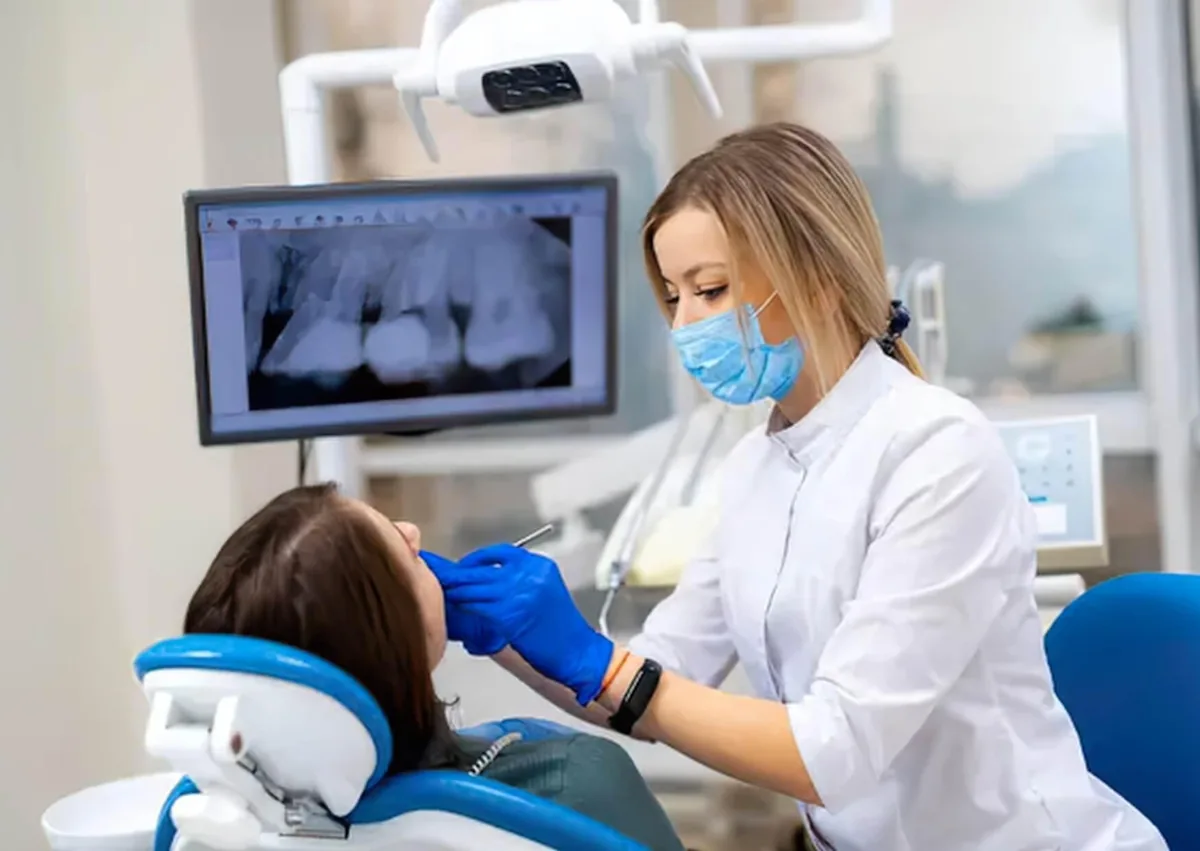
If preparatory care is needed, treatment may begin with infection control, extractions, periodontal therapy, or grafting. Some implants can be placed at the time of extraction, while other sites need a healing period first.
Many implant procedures are done with sedation for comfort. Selected cases may use IV sedation dentistry for anxiety, longer procedures, or more complex treatment.
After surgery, temporary swelling, bruising, soreness, and minor bleeding can occur. Healing and osseointegration often take several months, although timing varies by implant location, bone quality, grafting, medical factors, and whether a temporary tooth is being supported.
Once the implant is stable, the dentist records the shape and bite for the final crown, bridge, or denture. Follow-up visits check healing, fit, comfort, appearance, and contact with the opposing teeth.
Implant treatment is not risk-free. Possible complications include infection, failure to integrate, bone loss, gum recession, loosening or fracture of components, and injury to nearby nerves or sinus structures, although careful planning lowers these risks.
Dental implants do not get cavities, but the surrounding tissues can still become inflamed or lose bone. Plaque-related inflammation around an implant is called peri-implant disease, and it may progress without obvious pain.
Daily brushing and cleaning around and under the restoration remain essential. Professional exams and cleanings help the dental team monitor gum health, bone levels, bite forces, and wear or loosening of the restoration.
Smoking or nicotine use, poorly controlled diabetes, untreated gum disease, inconsistent home care, and teeth grinding can increase complication risk. A night guard or another protective strategy may be recommended when heavy bite forces are present.
For more on longevity and expected outcomes, see how long implants last.
Persistent tooth loss, difficulty chewing, loose teeth, or an uncomfortable denture should be evaluated even if symptoms seem mild. Early assessment may preserve more bone and expand your treatment choices.
Contact the treating dental office promptly for worsening pain, swelling that increases after first improving, persistent bleeding, pus, fever, a bad taste, an implant or temporary tooth that feels mobile, or new numbness. These signs do not always mean the implant has failed, but they do need clinical assessment.
Seek urgent medical care for trouble breathing or swallowing, rapidly spreading swelling, swelling near the eye or neck, confusion, or other signs of severe infection. Do not wait for a routine dental appointment if these symptoms occur.
For nonurgent concerns, a comprehensive exam can clarify whether implants are appropriate and which design best balances function, longevity, treatment time, and cost. Bringing insurance information, medication lists, prior dental records, and written estimates can make consultations more useful.
If you’re ready to review a treatment plan or compare written estimates for dental implants, request a comprehensive consultation to clarify costs, timelines, and any needed preparatory care. South Florida Sedation Dentistry focuses on dental implants in Greenacres and nearby Palm Springs and Greenacres; call (561) 941-7554 to schedule or book an appointment.
Coverage varies by policy. Some plans help pay for related services or the final restoration even if they exclude the implant post, so ask for a written pretreatment estimate and verify annual limits, waiting periods, and missing-tooth clauses.
Treatment often takes several months, especially if extraction healing, bone grafting, or osseointegration is needed. Some patients may receive a temporary tooth sooner, but the timeline should be based on healing and implant stability rather than speed alone.
Bone loss does not automatically rule out implants. Grafting, shorter or differently positioned implants, or another replacement option may be considered after imaging and an exam. See when it's too late for more on limits and timing.
They may be safe when diagnosis, sterile technique, materials, surgical planning, restoration design, and follow-up meet accepted standards. Ask what the quoted price includes and verify the training and role of each clinician involved.
A dentist can discuss phased care and alternatives such as a removable partial denture, full denture, or traditional bridge. The best interim option depends on oral health, remaining teeth, bite, and long-term treatment goals.
Have your friend, family member, or co-worker scan the code below or visit southfloridasedationdentistry.com on their phone to load our site. Most modern cell phones can scan QR codes using the phone’s camera.



 Trustindex verifies that the original source of the review is Google.
  Trustindex verifies that the original source of the review is Google.
  Trustindex verifies that the original source of the review is Google.
  Trustindex verifies that the original source of the review is Google.
  Trustindex verifies that the original source of the review is Google.
  Trustindex verifies that the original source of the review is Google.
  Trustindex verifies that the original source of the review is Google.
  Trustindex verifies that the original source of the review is Google.
  Trustindex verifies that the original source of the review is Google.