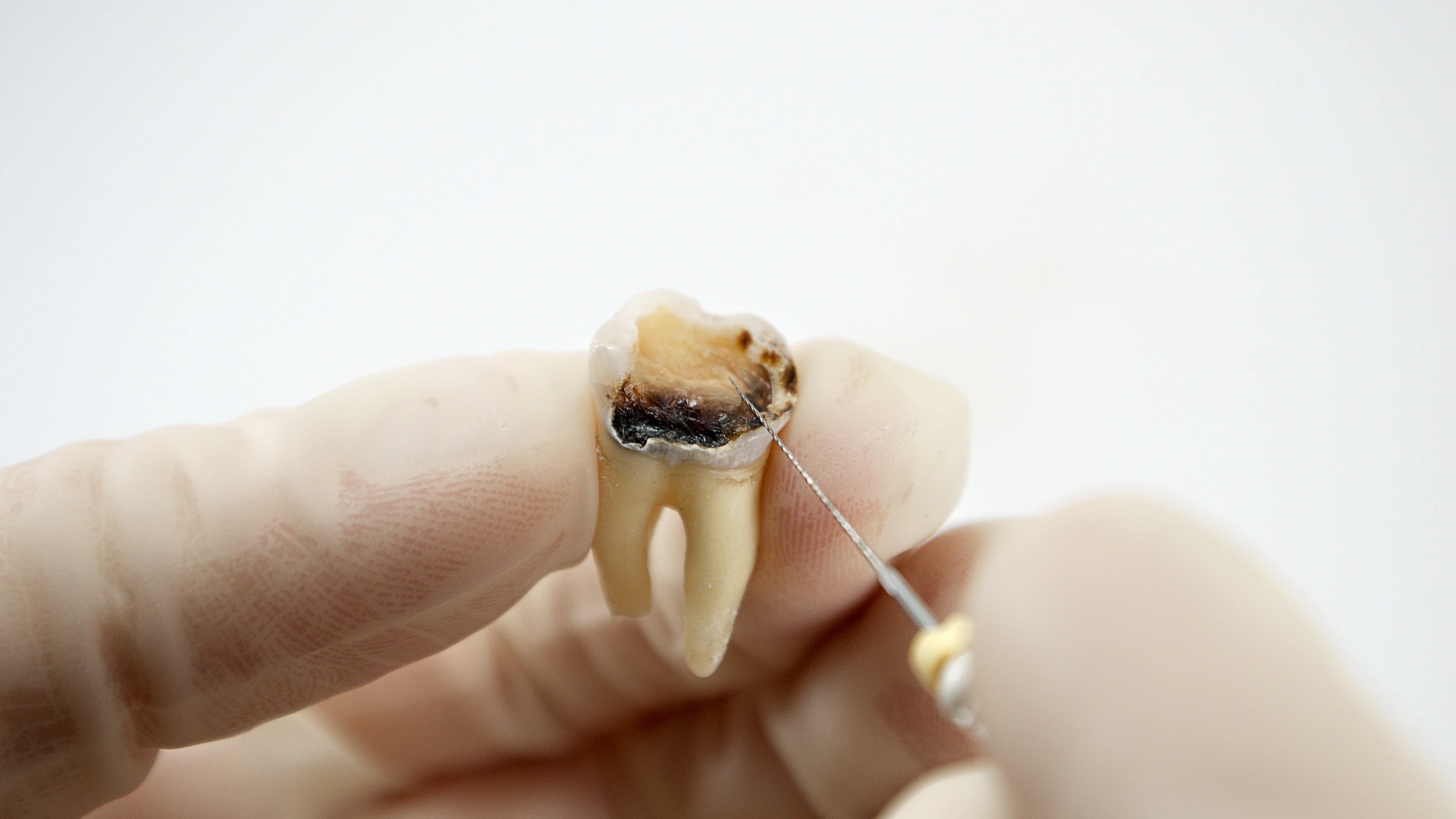
In most cases, you can drive after a root canal if you had only local anesthetic and feel fully alert afterward. A root canal therapy removes inflamed or infected tissue from inside the tooth, then cleans and seals the space to help save the tooth.
What matters most is not just the procedure itself, but how you feel after it. Safe driving depends on clear thinking, steady coordination, and quick reaction time.
South Florida Sedation Dentistry provides root canal therapy at our Greenacres, FL office and can help patients understand post-procedure recovery.
Many patients assume a root canal means they should not drive. Others assume it is no different from getting a filling.
The answer usually falls somewhere in between. It depends on the type of anesthesia used, how long the visit lasted, how much pain or swelling you have, and whether you still feel numb, dizzy, or tired.
This matters because mild impairment is easy to underestimate. Even slight grogginess, stress, or fatigue can affect driving more than people expect.
The biggest factor is the type of anesthesia or medication used during the appointment. If you had only local anesthetic, many patients can drive themselves home safely.
Local anesthetic numbs the treatment area, but it does not usually affect judgment or reaction time. You may still have a numb lip, cheek, or tongue for a few hours, but you should remain mentally clear.
The situation changes if sedation dentistry was used during the root canal. Sedation can make treatment much more comfortable, but sedation can still impair memory, coordination, reaction time, and decision-making after the appointment ends. For a clearer explanation of techniques and recovery, read how sedation dentistry works.
Your symptoms also matter. Some patients leave with only mild soreness, while others feel drained after a long visit, especially if they came in with severe pain, poor sleep, or an active infection.
If your root canal was done with local anesthetic only, driving is often reasonable once the visit is over. Most patients stay mentally clear and physically able to return to normal activity.
Even so, use common sense. If your jaw feels stiff, your face is very numb, or you feel shaky after a long procedure, waiting a bit may be the better choice.
Numbness alone does not usually make driving unsafe, but it can be distracting. It can also make it easier to bite your cheek or lip by accident, which is why dentists often recommend waiting to eat until feeling returns.
A simple rule helps here: if you would trust your focus in traffic, parking lots, and sudden stops, driving may be fine. If anything feels off, arrange a ride instead.
If sedation was part of your visit, do not plan to drive yourself home. This includes oral sedation and deeper options such as IV sedation used in some dental offices.
The reason is simple. Even if you feel awake, sedation can still affect attention, coordination, and judgment.
Sedation recovery does not follow the exact same timeline for every patient. Some people feel clear fairly quickly, while others stay slowed down longer than they expected.
That difference is well documented in outpatient care. Age, sleep, stress, body size, metabolism, and other medications can all affect how long impairment lasts.
If your dental team tells you to bring a driver, treat that as a firm medical instruction. It is not just a suggestion.
A root canal is often done because the tooth nerve is inflamed or infected. Treatment often relieves pressure and pain, but symptoms do not always disappear right away.
If you leave with moderate to severe throbbing pain, facial swelling, or trouble focusing, driving may not be a good idea. Pain competes for your attention, and that matters on the road.
There is also a bigger safety issue. Dental infections often start locally, but in some cases they can spread into nearby tissues.
Call a dentist promptly if you develop increasing swelling, worsening pain after initial improvement, trouble opening your mouth, or a bite that suddenly feels high or uneven.
Seek urgent evaluation or emergency dentistry if you have trouble breathing, trouble swallowing, rapidly spreading swelling, or fever with significant facial pain. These systemic symptoms can be signs that an infection is spreading and needs prompt care.
These symptoms do not always mean a serious complication is present. Still, they should not be ignored, and driving yourself during that kind of decline may not be the safest choice.

Most dentists and endodontists base driving advice on the details of the visit. An endodontist is a dentist with advanced training in root canal treatment and related tooth pain.
If only local anesthetic was used, the office may review numbness, soreness, and eating precautions. If sedation was used, the team will usually require an escort and may advise you not to drive or make important decisions for the rest of the day.
That advice is both practical and medically sound. The safest plan assumes recovery may be less predictable than it feels at the moment.
This is one of those situations where your treating office matters more than generic online advice. They know what was used, how the procedure went, and whether anything unusual happened.
If you are wondering whether it is safe to drive, focus on function rather than the name of the procedure. Ask yourself a few direct questions.
| Question | Why It Matters |
| Was only local anesthetic used? | Local numbing alone usually does not impair judgment. |
| Do you feel fully alert and steady? | Driving requires attention, balance, and quick reactions. |
| Are you in enough pain to feel distracted? | Significant pain can reduce concentration. |
| Did the dental team tell you not to drive? | Their instructions should be followed. |
| Are you having swelling, dizziness, or unusual symptoms? | These may make driving unsafe and may need evaluation. |
If any answer gives you pause, do not force it. A rideshare, friend, or family member is a much better inconvenience than an avoidable driving risk.
The main issue is not the label of the procedure. It is the combination of anesthesia, symptoms, and how well you are actually functioning afterward.
That way of thinking helps with more than driving. It also helps you make better decisions about work, exercise, childcare, and when to call the office about symptoms that are not improving as expected.
A fair question is this: if mild impairment is easy to miss, how often do patients overestimate how ready they are after common dental procedures? It is worth thinking about, especially when dental care is often treated as minor even when the body clearly needs recovery time.
If you are unsure whether your symptoms are typical, or whether it is safe to drive, work, or wait things out, a quick call to the treating office is usually the best next step.
If you have concerns after a root canal, South Florida Sedation Dentistry in Greenacres, FL offers root canal therapy and follow-up care for patients from Wellington and Royal Palm Beach; call (561) 967-2001 to schedule.
Usually, yes, if only local numbing was used and you feel alert, steady, and able to concentrate. If you feel faint, unusually sore, or distracted by symptoms, it is better to arrange a ride.
It depends on the office protocol and how you feel afterward. Nitrous oxide may wear off quickly for many patients, but you should still follow the dental team's instructions before driving.
There is no single timeline that fits every patient. If only local anesthetic was used, many people can drive soon after the visit, while sedation usually means you should not drive until the dental team says it is safe.
Some patients return to normal activity the same day, especially after a straightforward visit. Others benefit from a lighter schedule if the procedure was long, the tooth was very inflamed, or soreness and fatigue are noticeable.
Call if pain is getting worse instead of gradually improving, if swelling increases, if your bite feels significantly off, or if symptoms seem unusual or severe. Seek urgent care for trouble breathing, trouble swallowing, or rapidly spreading swelling.
Have your friend, family member, or co-worker scan the code below or visit southfloridasedationdentistry.com on their phone to load our site. Most modern cell phones can scan QR codes using the phone’s camera.