Receding gums occur when gum tissue pulls away from the tooth surface, exposing the root and increasing sensitivity and risk of damage. This condition develops gradually and is often linked to inflammation, mechanical stress, or underlying periodontal issues.
At South Florida Sedation Dentistry, gum recession is evaluated through a comprehensive approach that considers infection, tissue health, and long-term stability.
Receding gums are caused by a combination of bacterial, mechanical, and structural factors. Identifying the primary cause helps determine appropriate treatment.
Gum disease is one of the most common causes of receding gums due to chronic inflammation and tissue breakdown.
Procedures like periodontal scaling root planing help remove bacteria and reduce inflammation.
Ongoing care through a periodontal maintenance program supports long-term stability.
Improper brushing technique can gradually wear away gum tissue over time.
If damage is caused by mechanical factors, early correction may help slow further recession.
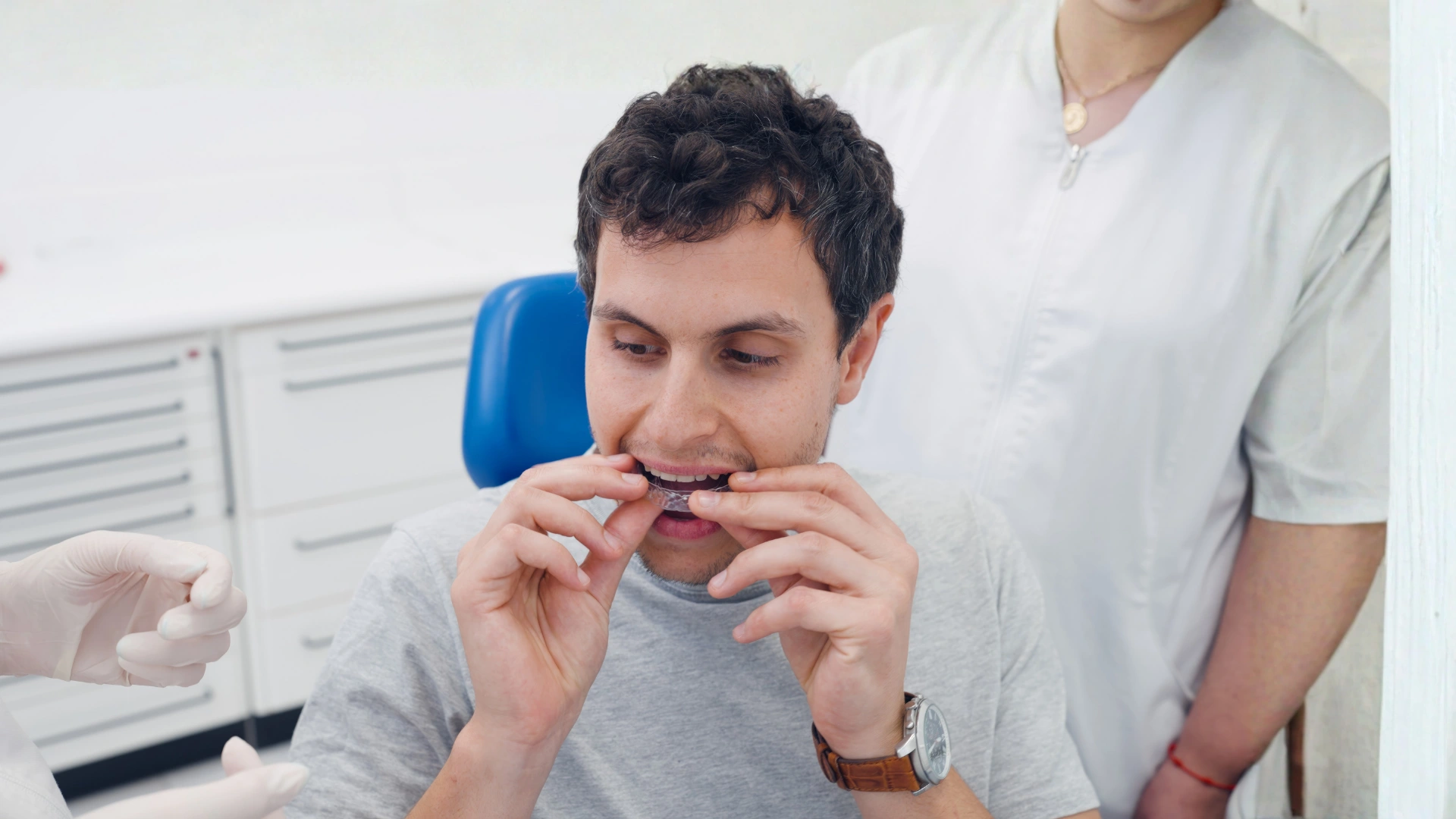
Bite misalignment can place uneven pressure on teeth and surrounding gum tissue, contributing to recession.
Evaluating bite function helps identify whether structural correction is needed.
Receding gums often develop gradually and may not cause pain initially.
If symptoms progress, early intervention helps prevent further complications.
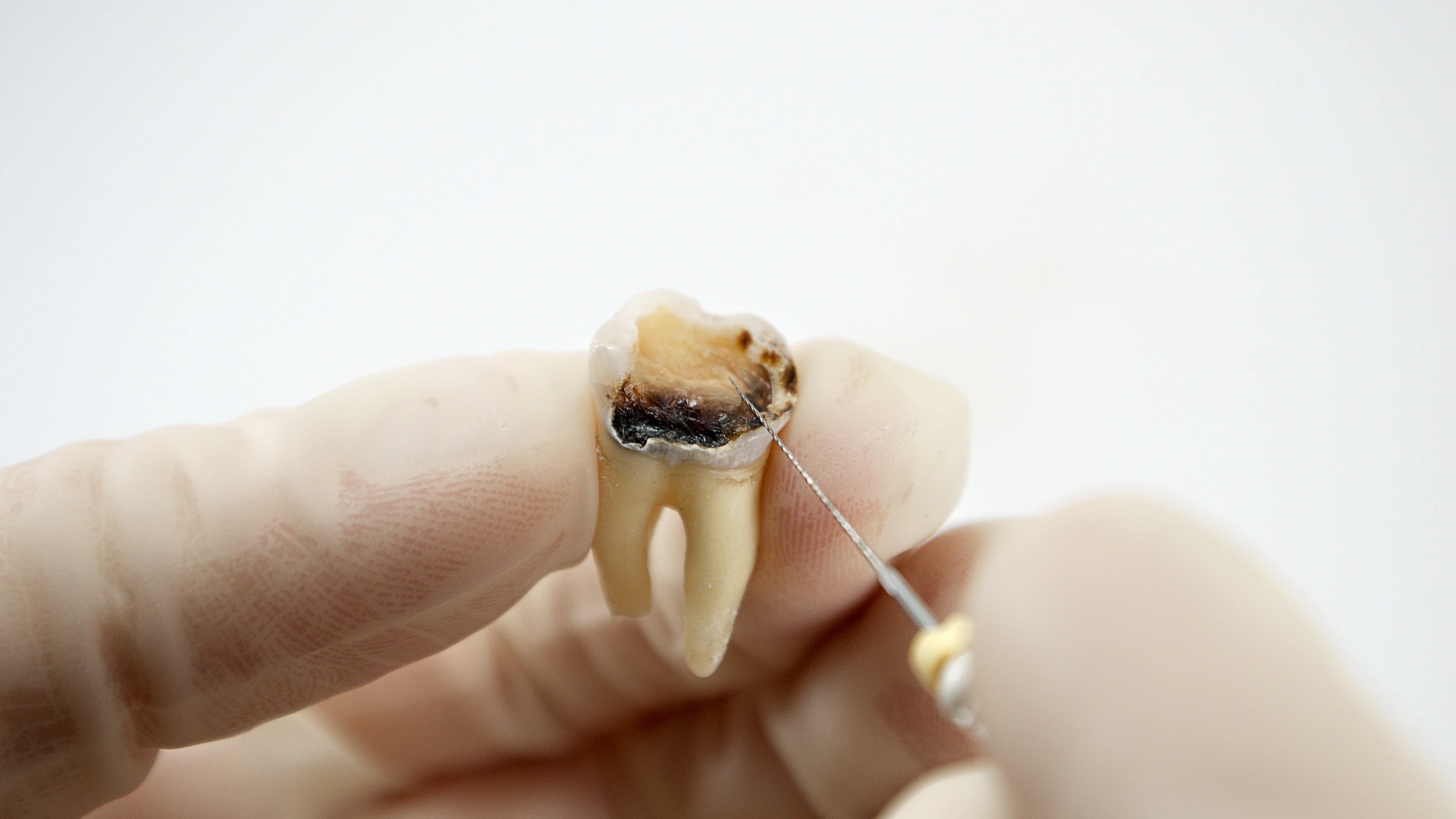
Gum recession exposes the root surface, increasing vulnerability to damage and decay.
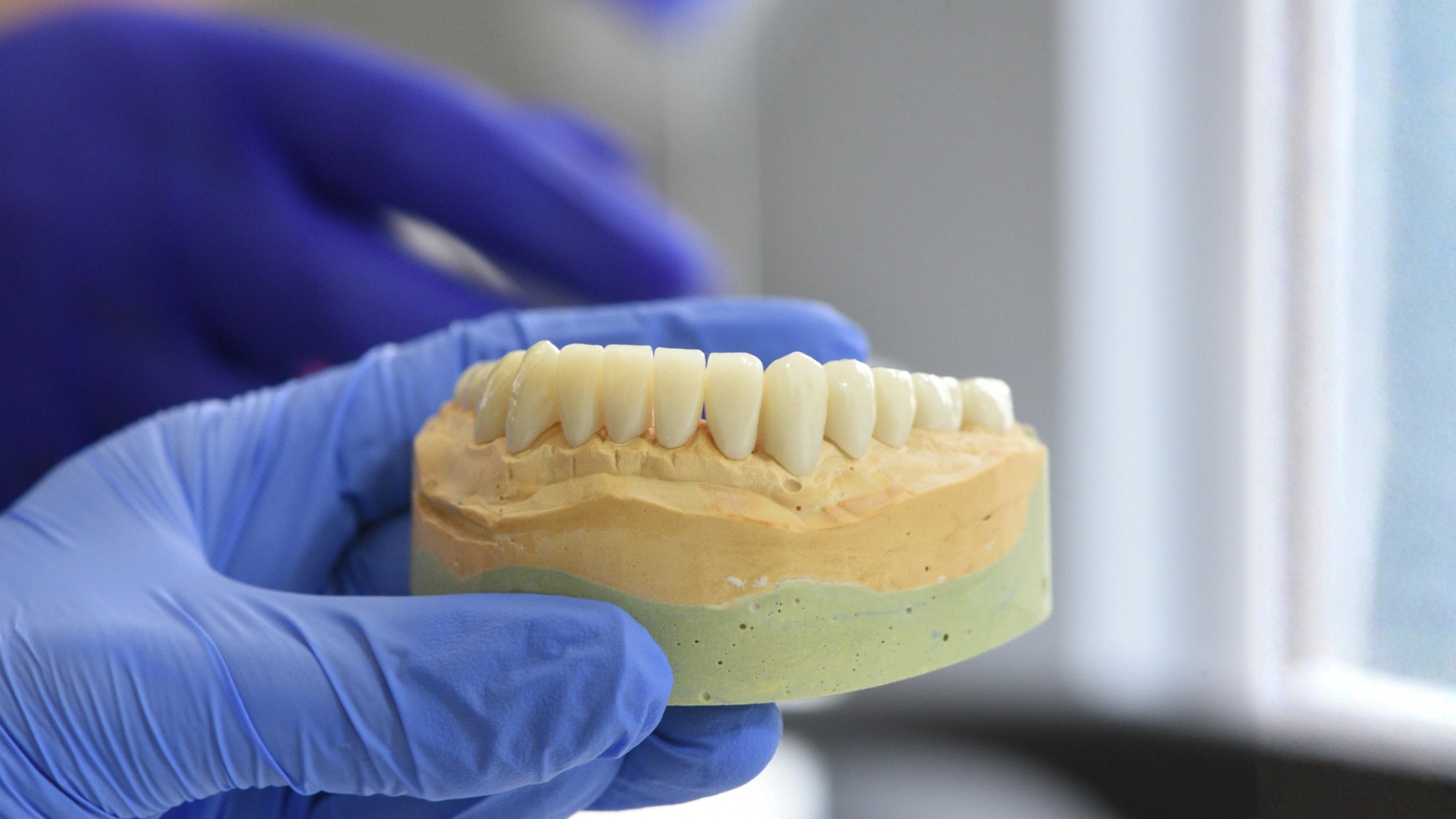
If untreated, advanced cases may require restorative solutions such as dental crowns.
Treatment is recommended when recession leads to sensitivity, aesthetic concerns, or risk of tooth damage.
Procedures like gum grafting may help restore lost tissue and protect roots.
Advanced imaging and diagnostics improve detection and treatment planning for gum recession.
Technology such as cone beam scanner allows for detailed assessment of underlying structures.
Preventing gum recession involves managing both hygiene habits and underlying risk factors.
Routine care helps reduce the likelihood of progression. Early preventive care combined with consistent monitoring helps reduce the likelihood of progression and supports long-term gum stability.
Lifestyle habits can contribute to the development and progression of gum recession.
Gum tissue thickness influences how susceptible a patient is to recession. Thinner tissue may recede more easily under stress.
Understanding tissue type helps guide treatment planning and prevention strategies.
Early detection of gum recession allows for less invasive treatment and better long-term stability.
Receding gums do not typically grow back without treatment.
It may not be painful initially but can cause sensitivity over time.
Gum disease is one of the most common causes.
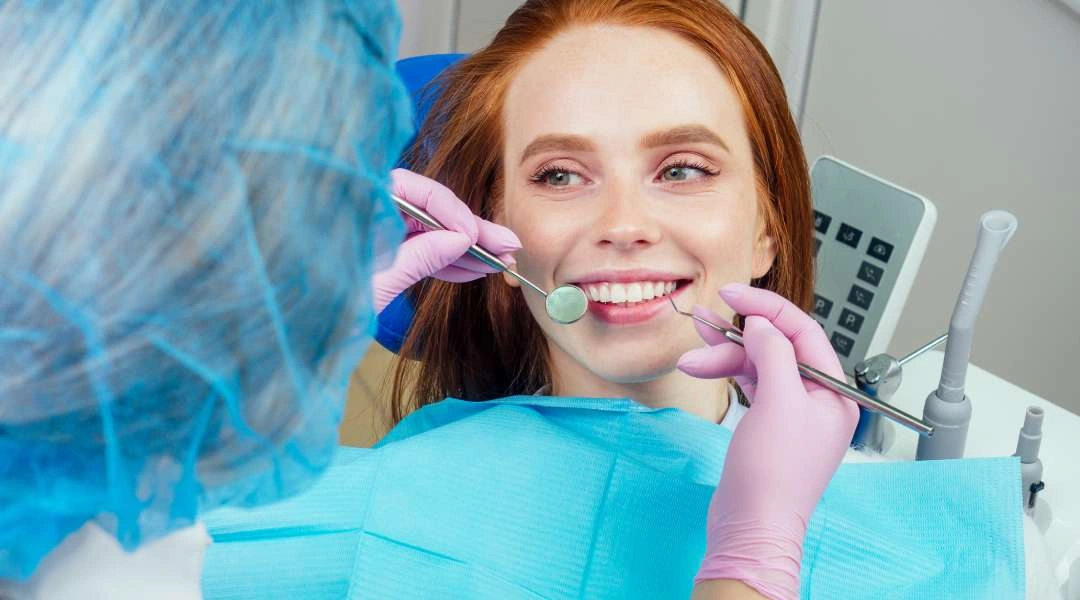
If you notice sensitivity, exposed roots, or changes in gum line, evaluation is recommended.
Receding gums develop from inflammation, mechanical stress, or structural factors, and may progress if not addressed. Identifying the cause helps determine the most appropriate treatment approach.
If you are noticing sensitivity, visible root exposure, or changes in your gum line, evaluating your condition early may help prevent further tissue loss.
If this applies and symptoms continue, professional care may help stabilize your gum health and reduce long-term risks.
To better understand your gum health and explore treatment options, you can request a consultation with South Florida Sedation Dentistry and evaluate the next steps based on your condition.
Have your friend, family member, or co-worker scan the code below or visit southfloridasedationdentistry.com on their phone to load our site. Most modern cell phones can scan QR codes using the phone’s camera.