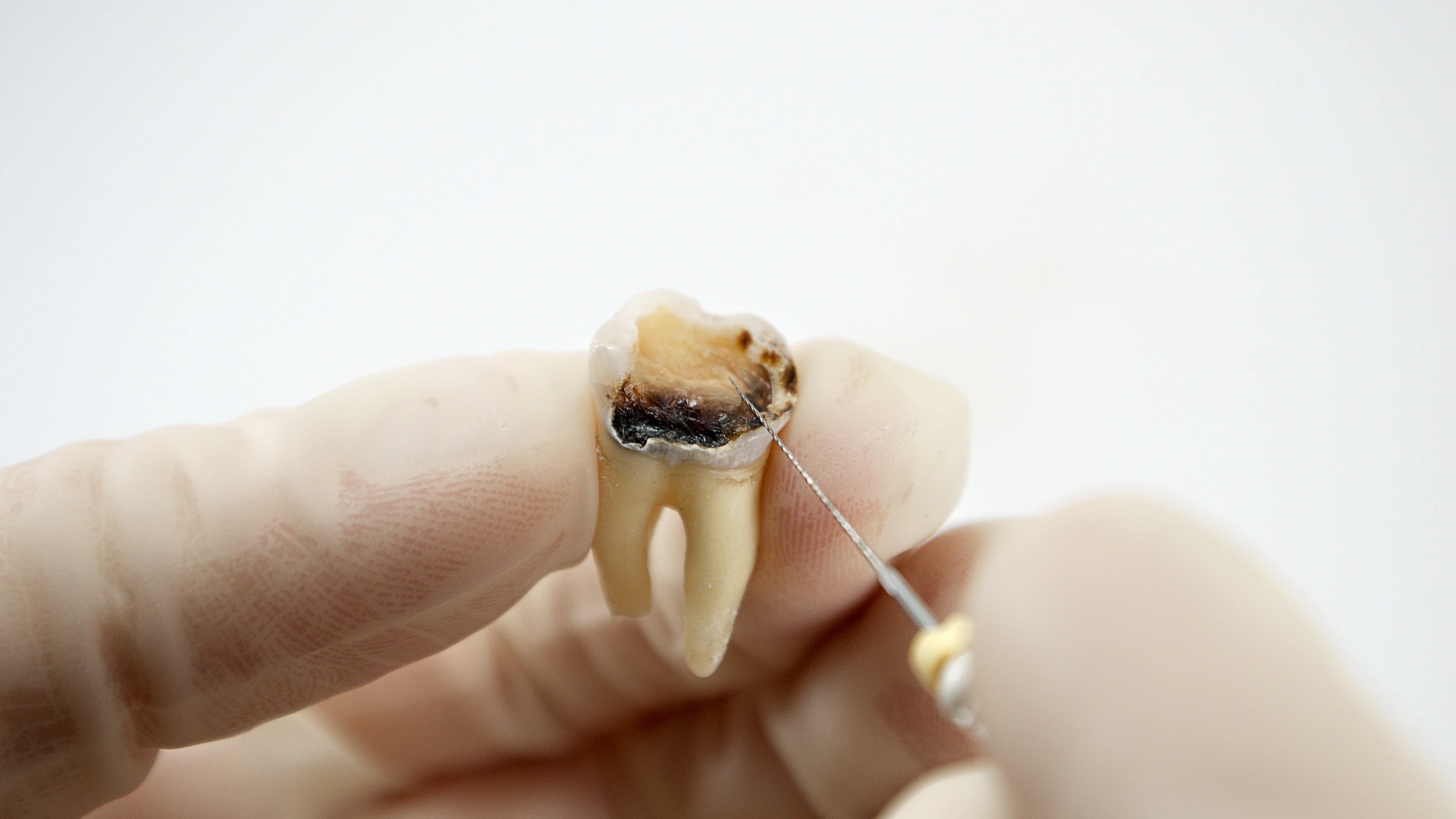
A dental abscess is a pocket of infection linked to a tooth, the surrounding gum, or deeper supporting tissues. The question behind dental abscess self-care matters because people often need relief before an appointment is available, yet the wrong kind of delay can allow a localized infection to spread into the face, jaw, or neck.
The central issue is simple: self-care may reduce pain, irritation, and pressure for a short time, but it does not remove the source of infection. In many cases, the infection begins when bacteria enter through tooth decay, a crack, deep gum disease, or a failing dental restoration. Once the inner pulp of the tooth, the gum pocket, or nearby tissues become infected, the body may wall off the area and form an abscess. That helps explain why symptoms can flare, settle briefly, and then return more intensely.
Across healthcare settings, patients often try home measures first, especially when pain starts at night, on weekends, or when urgent dental care is hard to access. But patient guidance and clinical experience show a consistent pattern: untreated dental infections do not reliably go away on their own. Some abscesses drain temporarily and feel better for a while, but the bacterial source usually remains. That is why short-term improvement should not be mistaken for resolution.
Self-care is supportive, not curative. It can help bridge the gap until professional treatment, but persistent swelling, worsening pain, fever, trouble swallowing, or facial asymmetry should shift the decision quickly from home management to urgent evaluation.
For patients who need guidance while arranging treatment, South Florida Sedation Dentistry provides emergency dentistry services in Greenacres, FL. We help patients understand when supportive care may be appropriate and when a dental abscess requires prompt professional evaluation.
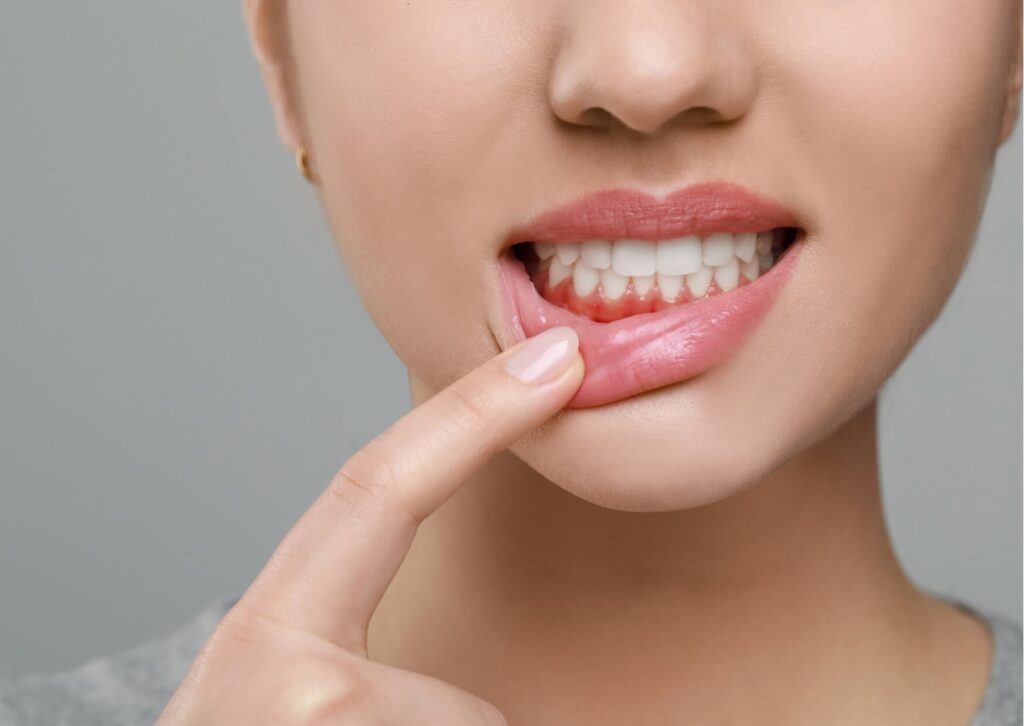
A dental abscess often causes throbbing tooth pain, tenderness when biting, sensitivity to hot or cold, swelling of the gum, and a bad taste if fluid drains into the mouth. Some people notice a small pimple-like bump on the gum. Others mainly feel pressure in the jaw or cheek. The pattern depends on where the infection started and whether it is draining.
Pain can be misleading. A severe abscess may cause intense, constant pain, but in some cases the pain decreases after pressure is released through drainage or after the tooth nerve loses vitality. That does not necessarily mean the problem is improving. It may mean the infection has changed location or pressure dynamics.
A few common patterns are worth knowing:
| Pattern | What It May Suggest | Why It Matters |
| Throbbing pain with biting sensitivity | Infection around the tooth root or inflamed pulp | Often needs prompt dental treatment |
| Gum swelling near one tooth | Localized gum or periodontal abscess | May require drainage and cleaning by a dentist |
| Bad taste with intermittent drainage | Abscess that is draining through the gum | Symptoms may seem milder, but infection can persist |
| Facial swelling or spreading tenderness | Infection extending beyond the tooth area | Needs urgent evaluation |
Not every toothache or swollen gum is an abscess. Sinus problems, gum irritation, a cracked tooth, food trapped under the gum, or jaw joint pain can overlap with these symptoms. That is one reason persistent or unclear symptoms deserve a dental exam rather than guesswork.
The role of dental abscess self-care is to lower irritation, protect the area, and help someone get through the short period before treatment. A warm salt-water rinse may soothe inflamed tissues and help keep the mouth cleaner. Gentle oral hygiene around the area can also reduce surface debris, although aggressive brushing directly over a swollen site can make it more uncomfortable.
A cold compress applied on the outside of the cheek may help with pain and visible swelling. Soft foods, chewing on the opposite side, and avoiding very hot, very cold, or sugary foods may reduce symptom triggers. Sleeping with the head slightly elevated can sometimes lessen the feeling of pressure overnight.
These measures are reasonable because they address local irritation and symptom triggers. They do not sterilize the tooth, remove dead tissue, seal a crack, or clean an infected root canal system. In other words, symptom relief is not the same as infection control.
A useful way to think about self-care is this: it may help contain the immediate problem, but it does not repair the cause. In dentistry, the source usually needs one of several definitive treatments, such as drainage, root canal therapy, deep periodontal cleaning, or extraction, depending on the cause and whether the tooth can be saved.
Some home practices create more risk than benefit. Do not place aspirin or other pain relievers directly on the gum or tooth. This can chemically irritate or burn soft tissue without treating the infection. It is also unwise to use sharp objects to poke, cut, or squeeze a swollen area. That can push bacteria deeper, increase bleeding, and complicate later treatment.
Avoid applying heat directly to a visibly swollen face. Heat may increase blood flow and can intensify swelling in some cases. Alcohol-based rinses or undiluted essential oils may also irritate already inflamed tissues.
Another common mistake is waiting too long because the abscess starts draining and the pain improves. Temporary drainage can lower pressure, but the bacterial source often remains active. If there is ongoing swelling, a foul taste, recurrent pain, or tenderness when chewing, the problem still needs professional assessment.
Most importantly, do not treat online information as personalized care. General education can support safer decisions, but it cannot determine whether the infection is confined or beginning to spread.
Dental infections become more concerning when swelling extends beyond the gum and begins to affect the face, jawline, floor of the mouth, or neck. Fever, chills, increasing fatigue, and a general feeling of illness may suggest the body is responding to a more significant infection burden. Difficulty opening the mouth, swallowing, or breathing should be treated as an emergency.
The anatomy matters here. Infections from lower back teeth, in particular, can spread into deeper tissue spaces under the tongue or along the jaw. In rare but serious cases, this can threaten the airway. That is why trouble swallowing, trouble breathing, or rapidly increasing swelling should not wait for a routine dental visit.
Seek urgent dental or medical care promptly if any of the following red flags are present, and consider contacting South Florida Sedation Dentistry’s emergency team for same-day evaluation:
These red flags do not mean every case is dangerous, but they do mean the margin for safe home observation is much smaller.

A true abscess usually needs treatment that reaches the source. If the infection began inside the tooth, the dentist may recommend root canal therapy to remove infected pulp, disinfect the internal space, and seal the tooth. If the tooth is too damaged to restore, oral surgery may be required for extraction or surgical drainage. If the abscess is primarily in the gum or periodontal tissues, treatment may involve drainage and deep cleaning below the gumline, such as scaling and root planing.
If you wonder when a root canal is appropriate, see our guide on needing a root canal for common signs and decision points.
This is where long-term outcomes matter. Teeth or gum areas that receive only temporary symptom management tend to flare again because the structural cause remains in place. By contrast, treatment aimed at the source usually gives more predictable pain relief and lowers the risk of recurrent swelling.
One of the most misunderstood points in dental care is the idea that antibiotics alone solve a dental abscess. In some situations, a clinician may decide medication is appropriate as part of treatment, especially if there is spreading infection or systemic illness. But medication by itself often does not resolve an abscess if infected tissue, a dead nerve, or a drainage problem remains. Definitive treatment is usually the turning point.
Real life is messy. Symptoms often start before a holiday, during travel, or when local offices are closed. If access is delayed, the safest approach is to use supportive self-care briefly while actively arranging a dental appointment rather than passively waiting for the problem to fade.
A reasonable decision framework looks like this:
If there is localized gum swelling, manageable pain, and no fever or facial swelling, supportive care may be used while seeking a prompt dental appointment. Continue to monitor for changes rather than assuming stability will last.
If pain is increasing, sleep is disrupted, swelling is becoming visible from the outside, or chewing is getting harder, the situation has moved beyond routine watchful waiting. Contact a dentist urgently.
If there is fever, spreading swelling, trouble swallowing, trouble breathing, or swelling under the jaw or tongue, seek urgent medical or emergency care. Those features raise concern for deeper spread and should not be managed at home.
This kind of staged thinking is more useful than asking whether a home remedy worked once before. Dental infections are not all biologically identical, and the same person can have a very different course from one episode to the next.
A more useful question than which home measure helps most is why the abscess formed in the first place. Was there untreated decay that reached the pulp, which is the soft tissue containing nerves and blood vessels inside the tooth? Was there a crack that allowed bacteria to enter? Was gum disease creating a deep pocket beside the tooth? Each pathway points to a different long-term solution.
Learn the signs of gum disease that can lead to periodontal abscesses and what to watch for.
Work across oral microbiology, behavioral health, and public health adds helpful context. Dental abscesses are not just isolated mechanical failures. They often reflect larger patterns such as delayed preventive care, cost barriers, dental anxiety, high sugar exposure, dry mouth from medications, or limited access to restorative treatment after a filling or crown begins to fail. In that sense, the abscess is both a local infection and a sign of a broader care gap.
That perspective leads to useful questions. If pain disappears after drainage, why do so many people assume the disease is gone? Why are urgent symptoms often recognized only when swelling reaches the face, rather than when a tooth first becomes painful to bite on? And what would change if dental care were easier to access before infection became the event that forced treatment?
For patients, the practical implication is straightforward. Use self-care to reduce discomfort, but let the presence of an abscess push the next decision toward evaluation, not away from it.
Dental abscess self care can provide temporary comfort, but lasting relief usually requires professional treatment.
If you're experiencing swelling, persistent pain, drainage, or signs of infection, contact South Florida Sedation Dentistry at (561) 967-2001 for emergency dental care in Greenacres, FL.
We proudly serve patients throughout the surrounding communities, including Wellington, Royal Palm Beach, Lake Worth, and nearby areas.
It may drain and feel better temporarily, but the underlying infection often remains. A dental evaluation is still important, especially if symptoms return, persist, or worsen.
A warm salt-water rinse may soothe irritated tissue and help keep the area clean. It can support comfort, but it does not treat the source of the infection.
Emergency care is appropriate if there is difficulty breathing, trouble swallowing, fever with swelling, or rapidly spreading facial swelling. For a localized abscess without those features, an urgent dental visit is usually the right starting point.
No. Trying to puncture or squeeze the area can worsen tissue injury and may spread infection. Drainage, when needed, should be done by a dental professional.
Not necessarily. Pain can decrease if pressure changes or the nerve inside the tooth is no longer functioning normally. The infection may still be present and should be assessed by a dentist.
Have your friend, family member, or co-worker scan the code below or visit southfloridasedationdentistry.com on their phone to load our site. Most modern cell phones can scan QR codes using the phone’s camera.