Most adults have 32 permanent teeth when all four wisdom teeth are present. Many healthy adults have 28 because wisdom teeth never formed, stayed impacted, or were removed, while children usually have 20 primary teeth. If the count seems off because of pain, swelling, delayed eruption, or a missing tooth, a dental exam can determine whether the difference is normal or needs treatment.
If you’re unsure about a missing, extra, or painful tooth, a dental exam clarifies tooth counts, checks for impaction, and identifies next steps. South Florida Sedation Dentistry in West Palm Beach, FL, offers calm, thorough evaluations that help you understand findings and treatment options without pressure.
Humans develop two sets of teeth over time. Primary teeth usually begin to appear around 6 months of age, and permanent teeth often start replacing them near age 6, although timing varies.
|
Stage |
Typical Number |
What to Expect |
|---|---|---|
|
Primary teeth |
20 |
10 upper and 10 lower teeth |
|
Permanent teeth before wisdom teeth |
28 |
Usually present by the early teen years |
|
Permanent teeth with wisdom teeth |
32 |
Up to four third molars may erupt in the late teens or early adulthood |
Some people naturally have fewer or more teeth than average. Others have teeth that remain under the gums, so the number visible in the mouth may differ from the number seen on an X-ray.
A full adult dentition usually includes 16 teeth in the upper jaw and 16 in the lower jaw. Without wisdom teeth, the usual permanent count is 28.
Each jaw normally has four incisors, two canines, four premolars, and four molars before wisdom teeth are counted. Third molars, also called wisdom teeth, are the last teeth to develop.
Tooth function also depends on the bite, jaw joints, tongue, and chewing muscles. Missing or poorly positioned teeth can change chewing forces, but the effect depends on which teeth are involved and the health of the rest of the mouth.
Children normally have 20 primary teeth: eight incisors, four canines, and eight molars. These teeth help with chewing, speech, jaw development, and space for permanent teeth.
During the mixed-dentition years, usually from ages 6 to 12, children have both primary and permanent teeth at the same time. The visible count can change often as one tooth falls out and another erupts.
Permanent premolars replace primary molars, but permanent molars erupt behind the primary teeth rather than replacing them. That is why a new back tooth can be easy to miss even though it still needs brushing and preventive care.
If there are concerns about timing, pain, crowding, or space maintenance, a pediatric dentistry visit can help guide monitoring and next steps.
A lower tooth count may result from extractions, teeth that never formed, delayed eruption, or impaction. Congenitally missing teeth are absent from development, although the difference may not be noticed until a tooth fails to appear when expected.
A higher tooth count can occur when extra teeth develop, a condition called hyperdontia. Extra teeth may stay hidden, block eruption, crowd nearby teeth, or cause no symptoms at all.
Wisdom teeth account for much of the normal variation in adult tooth count. A person may develop anywhere from zero to four, and even fully formed wisdom teeth may not erupt into a healthy or functional position.
When third molars cause pain, infection, crowding, or cleaning problems, a wisdom tooth extraction may be recommended. If symptoms are starting, it may help to learn what a wisdom tooth coming in can look like, and if removal is needed, review what to eat after to support recovery.
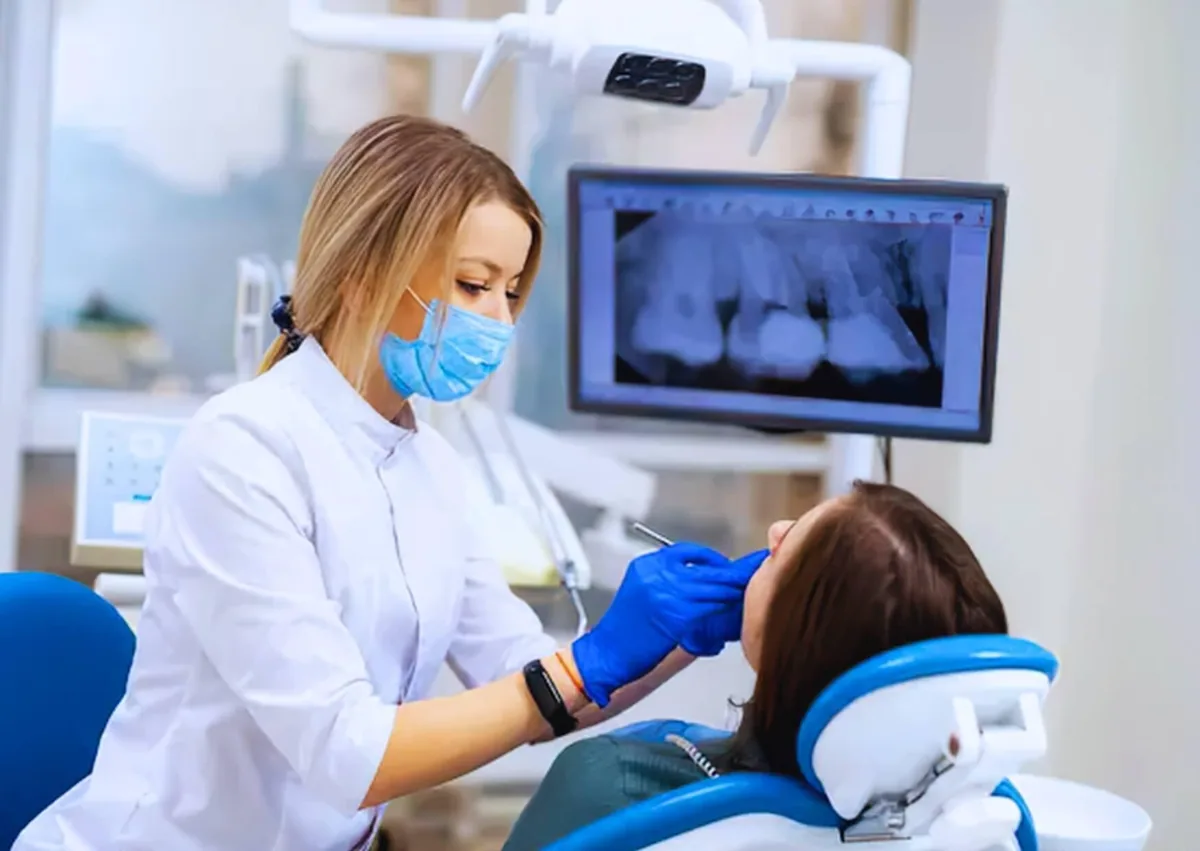
A dentist starts with your dental history, symptoms, and any prior extractions. The exam also considers whether the eruption pattern matches the patient's age.
The clinical exam checks visible teeth, retained baby teeth, gaps, crowding, gum inflammation, decay, and bite changes. This helps determine whether the tooth count difference is simply a variation or part of a larger problem.
Dental X-rays may be needed when a tooth is missing, delayed, or not clearly visible. Imaging can show impacted teeth, developing permanent teeth, extra teeth, unusual positions, or teeth that never formed.
Tooth number alone does not define oral health. A dentist also looks at whether each tooth is stable, cleanable, disease-free, and positioned to function without harming nearby teeth or bone.
No treatment is needed when the tooth-count difference is healthy and does not affect function, hygiene, or surrounding teeth. In those cases, monitoring with exams and occasional imaging may be enough.
If a tooth is blocked, impacted, or crowded, treatment may involve orthodontic care, oral surgery, or both. Wisdom tooth decisions are usually based on symptoms, position, cleanability, disease risk, and effects on nearby teeth rather than on tooth count alone.
If a permanent tooth is missing, options may include keeping the space open, closing it orthodontically, or replacing the tooth after growth and oral health are assessed. Replacement choices can include dental implants, a bridge, or a removable appliance.
The best option depends on the tooth involved, jaw development, bite, gum health, cost, and long-term maintenance. A dentist can explain which approach fits the situation and what to expect over time.
Many people do well with fewer than 32 teeth, especially when the only difference is missing wisdom teeth. Long-term outcomes depend more on healthy gums, stable biting function, good daily cleaning, and regular follow-up.
Schedule an evaluation if a permanent tooth does not appear near the expected time, a primary tooth stays much longer than its counterpart, or the bite starts to change. Unexplained spacing, repeated food trapping, bad taste, pain, swelling, or trouble opening the mouth also deserves attention.
Seek prompt care for facial swelling, fever with dental pain, uncontrolled bleeding, major dental trauma, or trouble swallowing or breathing. An exam can confirm the actual tooth count and show whether the finding needs monitoring or treatment.
If a missing, unerupted, or painful tooth needs evaluation, start with a dental exam so imaging and a clear plan can be arranged. South Florida Sedation Dentistry offers comprehensive dental exams in West Palm Beach and nearby Palm Springs and Greenacres; call (561) 967-2001 or book online to get care.
No. Thirty-two is the full count when all four wisdom teeth are present, but many adults have 28 because wisdom teeth never developed or were removed. Other missing teeth, impaction, and prior dental treatment can also change the total.
Yes. The standard total of 32 includes four wisdom teeth, also called third molars. Without them, the usual permanent tooth count is 28.
A complete primary set has 20 teeth. During the transition to permanent teeth, the visible count changes as primary teeth fall out and permanent teeth erupt.
It can be. Extractions, teeth that never formed, and impacted teeth can all reduce the visible or total count.
A dentist can review your history and use X-rays when needed to determine whether teeth are absent, unerupted, or impacted.
Not always. The decision depends on the tooth's location, appearance, chewing function, bite, jaw growth, and whether nearby teeth are likely to shift.
After an exam, a dentist can explain whether monitoring, orthodontic treatment, or replacement is the better choice.
Have your friend, family member, or co-worker scan the code below or visit southfloridasedationdentistry.com on their phone to load our site. Most modern cell phones can scan QR codes using the phone’s camera.