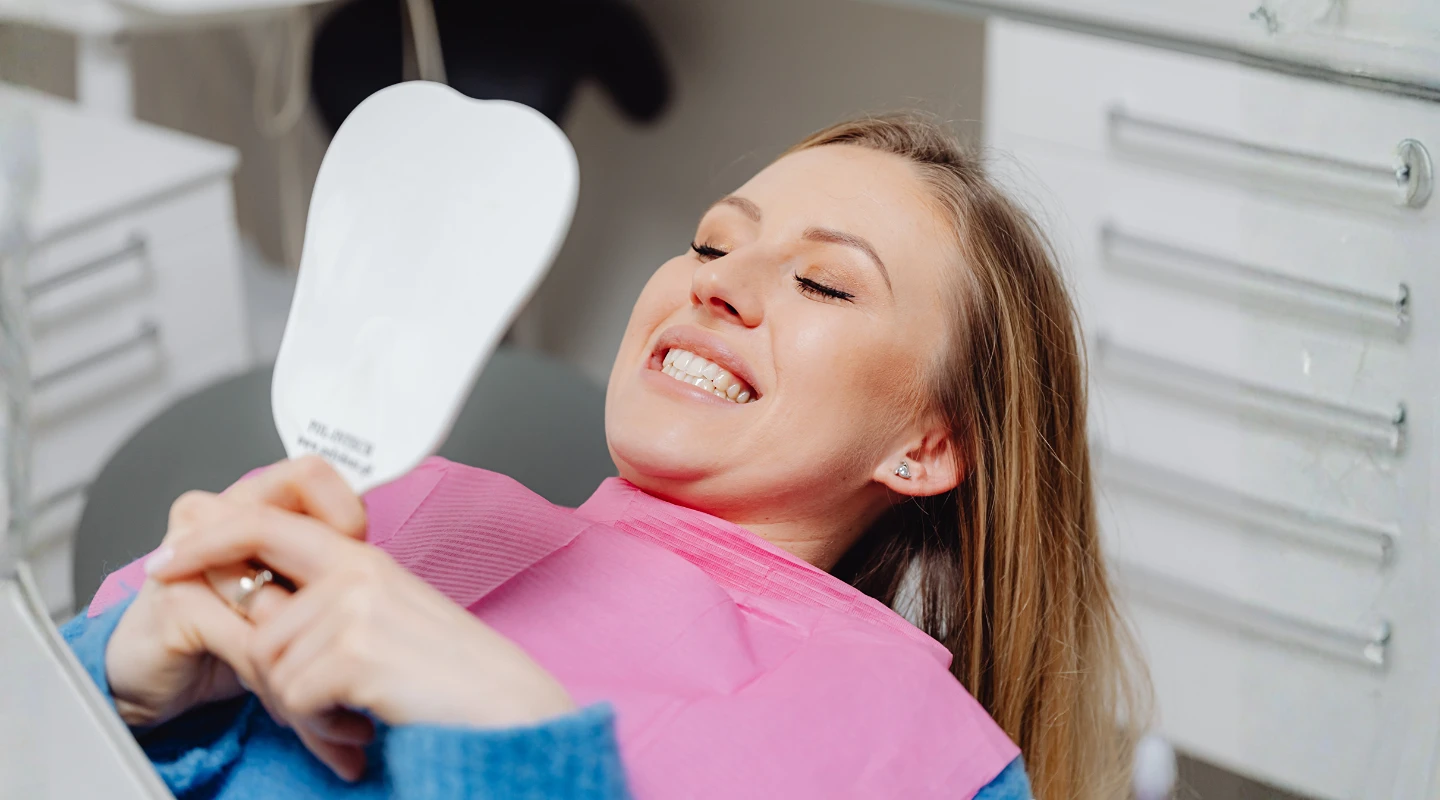
Oral conscious sedation (often called oral sedation) uses prescription medication to reduce dental anxiety while allowing a patient to remain responsive and breathe independently. It is one option within broader sedation dentistry. It can make treatment feel shorter and easier to tolerate, but it does not replace local anesthetic and requires medical screening, monitoring, and a responsible adult for transportation.
If dental anxiety, a strong gag reflex, or difficulty tolerating long procedures is making care hard, oral sedation can help you stay relaxed while remaining responsive. South Florida Sedation Dentistry in Greenacres, FL offers individualized oral sedation protocols to help patients complete needed treatment comfortably.
Many patients seek oral conscious sedation because they cannot comfortably get through dental care. Common problems include severe anxiety, a strong gag reflex, difficulty staying still, fear after a past bad experience, or trouble tolerating a long appointment.
These symptoms can lead to delayed treatment, worsening dental problems, and more complex care later. Oral conscious sedation may help when reassurance, breaks, and numbing medicine alone are not enough.
The medication is usually taken by mouth before treatment. It typically causes relaxation and drowsiness, and some patients remember little afterward, although memory loss is not guaranteed.
During minimal to moderate sedation, patients usually continue breathing on their own and can respond to spoken directions or gentle touch. Even so, sedative medication can relax the tongue and throat tissues, which may narrow the airway, especially when a patient is reclined.
This matters most in patients with obstructive sleep apnea, obesity, chronic lung disease, nasal blockage, or a history of difficult sedation. Alcohol, opioids, sleep aids, and some other medications can also increase sedation depth and breathing risk.
Conscious sedation is not risk-free. The dental team should follow an appropriate monitoring plan and be prepared to recognize and manage deeper-than-intended sedation.
Before recommending oral conscious sedation, the dentist reviews medical conditions, allergies, current medications, supplements, and prior anesthesia or sedation experiences. Pregnancy status may also matter when relevant.
The evaluation often includes blood pressure, weight-related considerations, and questions about breathing during sleep. Snoring, witnessed pauses in breathing, daytime sleepiness, and CPAP use can all affect whether oral sedation is the safest choice.
The dentist also considers the procedure length, complexity, and how much cooperation is needed. Some patients may need medical clearance, a different sedation method, or treatment in a setting with more advanced anesthesia support.
Patients should disclose cannabis use, alcohol use, over-the-counter sleep products, and all prescription medicines. Do not take extra sedatives or combine substances unless the treating clinician specifically instructs you to do so.
The best approach depends on anxiety level, health status, procedure length, and how predictable the sedation needs to be. Local anesthetic is still used with sedation because sedation lowers anxiety and awareness but does not reliably block pain.
|
Option |
Typical Experience |
Recovery and Support |
|---|---|---|
|
Behavioral support and local anesthetic |
Fully alert; pain controlled at the treatment site |
Usually return to routine activities promptly |
|
nitrous oxide |
Relaxed but awake; effects can be adjusted during care |
Effects usually clear quickly, though office policies vary |
|
Oral sedation |
Drowsy and less anxious; responsiveness remains but recall may be limited |
Lingering impairment is common; an escort is required |
|
Deeper, more adjustable sedation or complete unconsciousness |
Closer monitoring and longer recovery precautions are required |
Oral medication is convenient, but it is less adjustable than nitrous oxide or medication given through an IV. If deeper sedation is expected, an appropriately credentialed anesthesia provider and a suitable clinical setting may be necessary.
The dental office should give specific instructions about eating, drinking, regular medications, arrival time, and clothing. Follow those instructions exactly rather than relying on general online fasting advice.
A responsible adult should drive the patient to and from the appointment and remain available as directed. Public transportation, taxis, and rideshare services may not be acceptable without a responsible accompanying adult.
Before treatment starts, the team usually confirms the medication taken, the timing, vital signs, escort arrangements, and consent. Treatment may need to be postponed if instructions were not followed or if a new illness or medication change creates a safety concern.
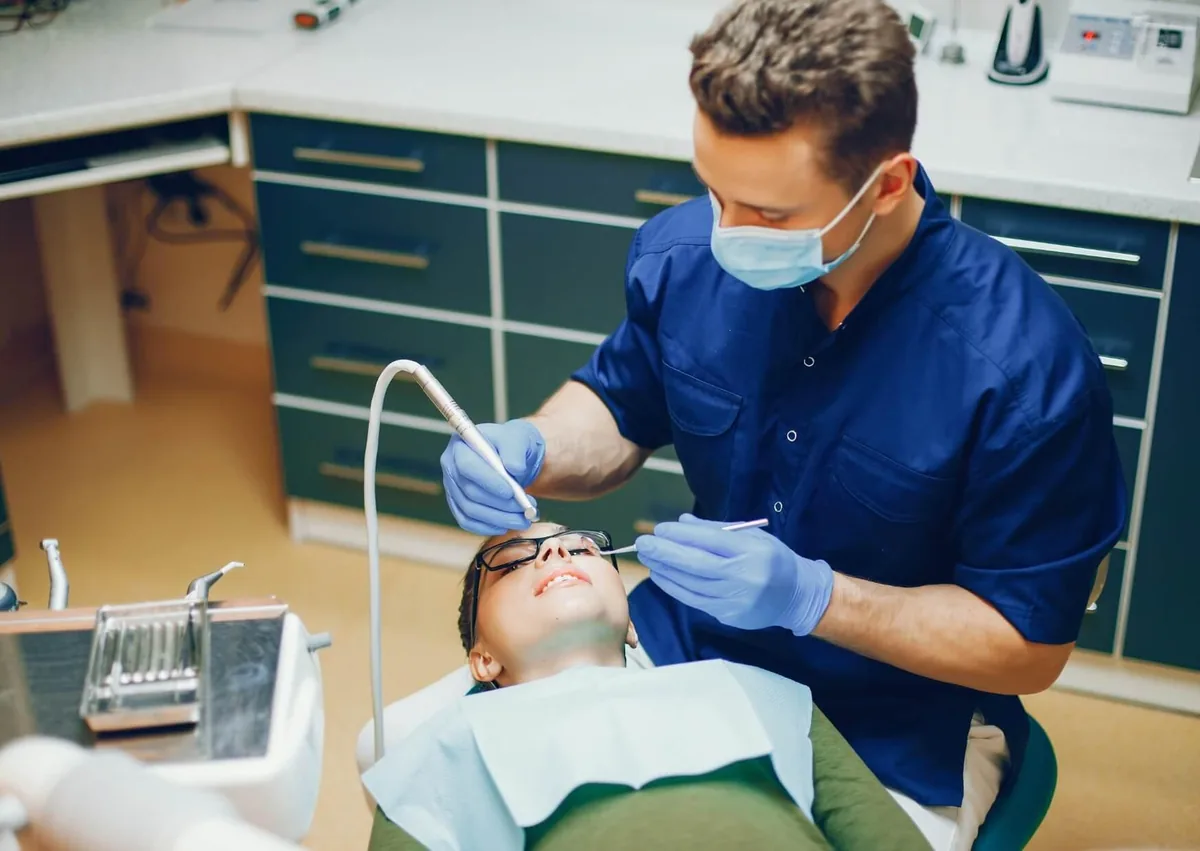
During treatment, the team may monitor oxygen level, breathing, blood pressure, pulse, and responsiveness based on the planned sedation level and professional requirements. Supplemental oxygen and emergency equipment should be available when clinically indicated.
After treatment, common effects include sleepiness, slower reactions, poor balance, nausea, headache, and patchy memory. Feeling more awake does not always mean judgment and coordination have fully returned.
For the time period given by the dental team, patients should not drive, operate machinery, drink alcohol, make important decisions, care for others without supervision, or take unapproved sedating substances. Contact the office if sedation effects are stronger than expected or last longer than expected.
Oral conscious sedation can help patients complete needed treatment and rebuild trust in dental care. It does not treat the underlying cause of anxiety by itself, so some patients also benefit from shorter visits, communication strategies, gradual exposure, or mental health support.
Call 911 for trouble breathing, blue or gray lips, inability to awaken, seizure, collapse, chest pain, or severe confusion. A responsible adult should continue observing the patient and follow discharge instructions closely.
Nonurgent follow-up is appropriate if anxiety keeps preventing care, if a prior sedation caused an unusual reaction, or if symptoms suggest possible sleep apnea. A dentist can review those concerns and decide whether oral conscious sedation or another approach is the safer fit.
If you think oral sedation may make dental care more manageable, talk with the dental team about a personalized plan and safety screening. South Florida Sedation Dentistry specializes in oral sedation in Greenacres and nearby Palm Springs and Greenacres; call (561) 941-7554 or request an appointment online.
Usually, yes. Patients receiving minimal or moderate sedation remain responsive, although they may be very drowsy and may remember little of the appointment.
No. The dentist usually uses local anesthetic to numb the treatment area, while sedation reduces anxiety and awareness.
No. You should arrange for a responsible adult to provide transportation and follow the dental team's instructions about supervision and returning to normal activities.
Sleep apnea can increase the risk of airway obstruction during sedation. Tell the dentist about diagnosed or suspected sleep apnea, snoring, breathing pauses, and use of a CPAP or other airway device so the safest setting and method can be chosen.
In some cases, yes, under pediatric-specific safety protocols. Suitability depends on the child's health, development, procedure, and ability to cooperate, and parents or guardians need detailed preparation and recovery instructions.
Have your friend, family member, or co-worker scan the code below or visit southfloridasedationdentistry.com on their phone to load our site. Most modern cell phones can scan QR codes using the phone’s camera.



 Trustindex verifies that the original source of the review is Google.
  Trustindex verifies that the original source of the review is Google.
  Trustindex verifies that the original source of the review is Google.
  Trustindex verifies that the original source of the review is Google.
  Trustindex verifies that the original source of the review is Google.
  Trustindex verifies that the original source of the review is Google.
  Trustindex verifies that the original source of the review is Google.
  Trustindex verifies that the original source of the review is Google.
  Trustindex verifies that the original source of the review is Google.