Tooth pain is one of the few symptoms that can disrupt eating, sleep, concentration, and mood within hours. People often search for toothache relief because they need something practical right away, but the more important question is why the tooth hurts in the first place.
That distinction matters. A toothache may come from a cavity, a cracked tooth, gum inflammation, pressure from grinding, a sinus problem, or an infection around the root. The pain can feel similar across very different conditions, so short-term relief is not the same as treatment. The safest approach is to treat pain as useful information. It deserves attention, especially when it is new, worsening, or paired with swelling.
Research and clinical experience both show that dental pain is shaped by more than decay alone. Diet, access to preventive care, fluoride exposure, stress, nighttime clenching, and delays in treatment can all influence who develops tooth pain and how long it lasts. Over time, pain that starts as occasional sensitivity may progress if the underlying cause is not addressed. That is why timely evaluation matters, even when the discomfort seems manageable at first.
At South Florida Sedation Dentistry, patients in Greenacres, FL have access to emergency dentistry services when tooth pain needs prompt professional attention. Whether the discomfort is mild or severe, a timely evaluation can help identify the cause and determine the most appropriate treatment for lasting toothache relief.
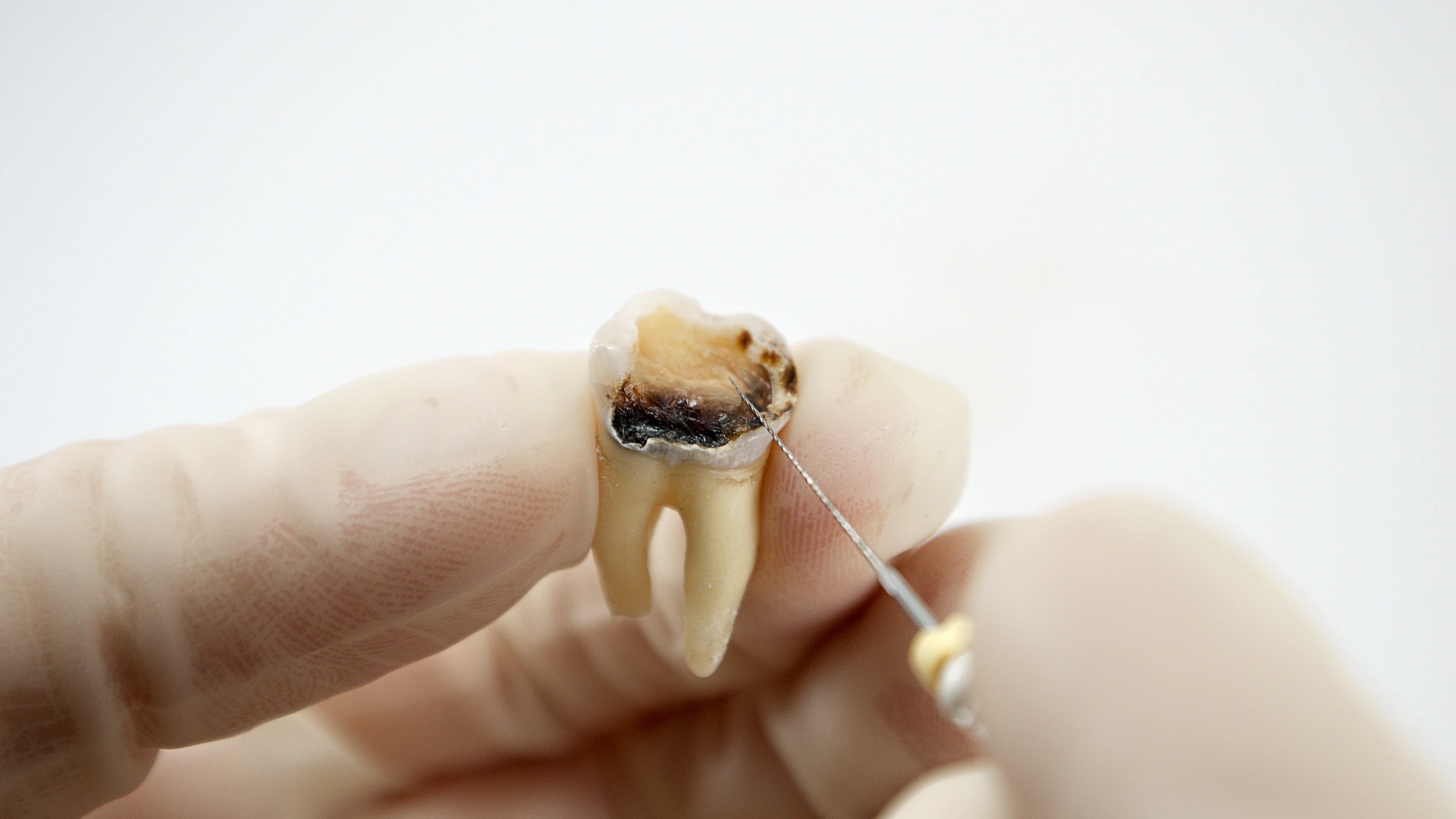
A toothache usually begins when a structure in or around the tooth becomes irritated, inflamed, or infected. The tooth contains a soft inner tissue called the pulp, which holds nerves and blood vessels. When irritation reaches that space, pain may become sharper, more persistent, or harder to pinpoint.
Several problems commonly lead to tooth pain:
Pain patterns can offer clues, but they do not confirm a diagnosis. Brief sensitivity to cold may suggest exposed dentin or early decay. Throbbing pain that lingers, wakes someone at night, or worsens with heat may point to deeper nerve inflammation or infection. Pain when biting can happen with a crack, a high filling, or inflammation around the root.
One important point is that the intensity of dental pain does not always match the visible size of the problem. A small crack in the wrong place can be extremely painful, while a large cavity may cause little discomfort until the nerve becomes involved. That mismatch is one reason self-diagnosis is unreliable.
If the goal is toothache relief before a dental visit, the safest options are supportive rather than invasive. These measures may reduce irritation and help you function until the source of pain is identified.
Rinsing gently with warm salt water may help if the surrounding gum tissue is inflamed or if food debris is trapped near the tooth. Keeping the area clean matters because retained plaque and debris can intensify irritation around an already painful tooth.
A cold compress on the outside of the cheek may help when there is swelling or a throbbing sensation. Soft foods, along with avoiding very hot, very cold, or very sweet items, can also reduce stimulation of a sensitive tooth. If chewing increases pain, using the opposite side of the mouth may limit further irritation until the tooth is examined.
Over-the-counter pain relievers may help some people, but they are not appropriate for everyone. Evidence suggests some OTC pain relievers can be effective for dental pain, but labels, medical history, allergies, pregnancy status, kidney disease, stomach ulcers, blood thinner use, and other factors still matter. General education is not a substitute for personalized advice from a dentist, physician, or pharmacist.
It is worth saying clearly that placing aspirin directly on the gum is not a safe remedy. It can cause a chemical burn or irritate the tissue without treating the cause of the pain. The same caution applies to improvised home procedures. Do not try to drain swelling or repair a tooth at home.
Some toothaches are localized and stable for a short time. Others signal a problem that should be treated urgently because infection or inflammation may be spreading beyond the tooth.
Warning signs that deserve prompt dental evaluation include:
If swelling is spreading, breathing feels affected, swallowing becomes difficult, or there is significant facial asymmetry, urgent same-day care is appropriate. In such cases contact South Florida Sedation Dentistry’s emergency dentistry team for prompt evaluation.
From a clinical perspective, the major concern is not just pain. It is the possibility of a spreading infection in the spaces around the jaw, face, or neck. That is uncommon, but it is why dentists take swelling, fever, and changes in normal function seriously.

A dental exam for tooth pain is usually focused and efficient. The dentist will ask when the pain started, what triggers it, whether it lingers, and whether there has been swelling, trauma, recent dental work, or nighttime grinding.
The exam may include tapping on the tooth, checking the gums, testing response to temperature, examining the bite, and taking dental X-rays. These steps help distinguish between decay, a crack, gum disease, root infection, bite trauma, and non-dental causes.
This process reflects a broader principle seen across medicine and dentistry: symptoms gain meaning when tracked over time. A tooth that was briefly sensitive to cold last month but now throbs on its own suggests a different stage of disease than a tooth that only hurts when flossing because the gum is inflamed.
That time course often guides treatment decisions more than any single symptom. In other words, dentists are not just asking where it hurts. They are also asking how the pattern evolved.
The right treatment depends on the source of pain. That may sound obvious, but it is the central issue in toothache relief. Lasting relief usually comes from removing the cause, not only suppressing the symptom.
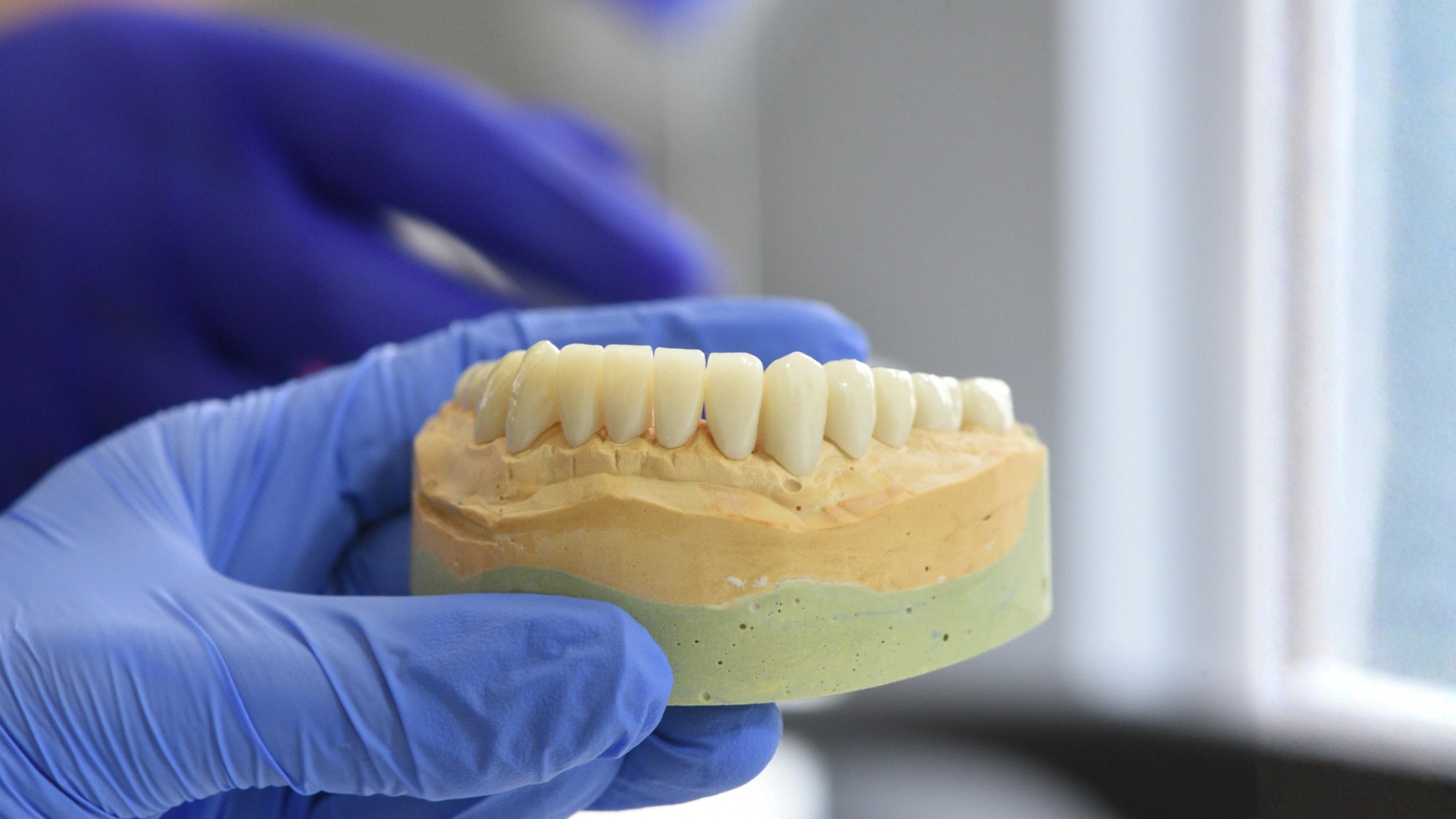
Typical dental treatments may include:
| Likely Cause | Common Dental Approach |
| Cavity or leaking filling | Removal of decay and a new dental fillings |
| Deep decay affecting the pulp | Root canal or, in some cases, extraction |
| Cracked tooth | Bonding, a crown, or other stabilization depending on depth and location |
| Gum inflammation from trapped debris or periodontal disease | Professional cleaning and gum treatment |
| Dental abscess | Drainage when appropriate and treatment of the tooth or surrounding tissues |
| Bite stress from clenching or a high restoration | Bite adjustment or a protective appliance in selected cases |
If you're unsure whether the nerve is involved, read about root canal signs to compare symptoms and timing.
Not every painful tooth can be saved, but many can. The key variables are how deep the damage extends, whether the root and surrounding bone remain supportable, and how quickly treatment begins.
There is also a broader public health lesson here. In communities with regular preventive care, painful dental emergencies tend to be less common because small problems are treated before the nerve becomes involved. Prevention changes the trajectory.
For patients who feel anxious about urgent treatment, sedation dentistry can provide calm, comfortable care while the dentist addresses the cause of pain. If you want more detail on what that involves, learn how sedation dentistry works or read about IV sedation for deeper sedation options.
If you have severe or rapidly worsening pain, facial swelling, or trouble swallowing, contact South Florida Sedation Dentistry at (561) 967-2001 or visit our emergency dentistry page to arrange same-day care.
Not all tooth pain comes from a diseased tooth. The upper back teeth, for example, may ache during a sinus infection because the roots sit close to the sinus floor. Jaw joint disorders, muscle tension from clenching, and certain nerve pain conditions can also mimic a toothache.
This is where careful diagnosis becomes especially important. A healthy tooth should not receive irreversible treatment simply because the pain feels dental. If the exam and imaging do not match the symptoms, the dentist may look for referred pain from nearby structures.
That possibility raises a useful question: when pain feels obvious, how often do we assume the source rather than investigate it? Dentistry, like the rest of medicine, works best when pattern recognition is balanced with verification.
Preventing another episode of tooth pain usually comes down to reducing the conditions that let inflammation build over time. Daily brushing with fluoride toothpaste, cleaning between the teeth, and regular dental visits remain the foundation because they reduce plaque, detect decay early, and identify cracks or failing dental work before symptoms escalate.
Diet matters more than many people realize. Frequent exposure to sugary drinks, sticky snacks, and acidic beverages can shift the mouth toward enamel breakdown and cavity formation. The issue is often frequency rather than a single food. Repeated small exposures throughout the day give teeth less time to recover.
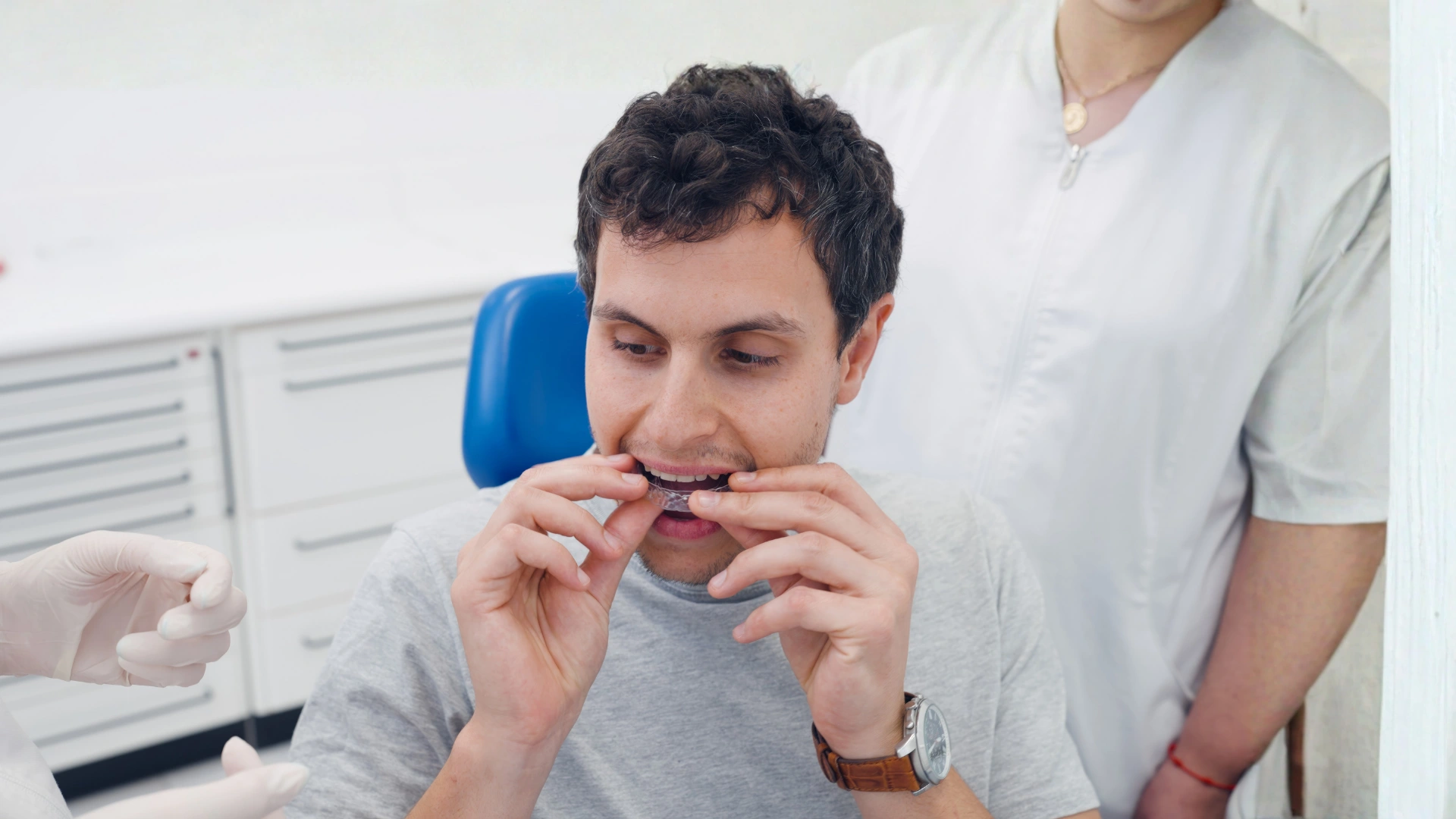
Grinding and clenching deserve attention too. Many people do not realize they do it until they develop morning jaw soreness, tooth tenderness, or chipped enamel. In those cases, a dentist may evaluate the bite, signs of wear, and whether a protective appliance would be useful.
If receding gums are a concern, ask your dentist about options to fix receding gums and reduce sensitivity.
The larger implication is straightforward. Toothaches rarely appear out of nowhere. They often represent the endpoint of a process that has been developing quietly for weeks, months, or longer.
Toothache relief is important, but lasting relief comes from identifying and treating the underlying cause of the pain.
If you are experiencing severe discomfort, facial swelling, or symptoms that continue to worsen, our team at South Florida Sedation Dentistry can provide prompt evaluation and treatment.
Call (561) 967-2001 to schedule an appointment and get the care you need, whether you live in Greenacres, West Palm Beach, Wellington, Royal Palm Beach, or other nearby communities.
Sometimes the pain may lessen temporarily, especially if the trigger was food trapped near the gum or a brief irritation. But if pain returns, lingers, or worsens, a dental evaluation is important because the underlying problem may still be present.
Short-term relief may come from avoiding triggers, keeping the area clean, using a cold compress on the cheek if swelling is present, and seeking prompt dental care. The fastest lasting relief usually comes from treating the cause.
No. Throbbing pain can occur with several conditions, including deep decay, nerve inflammation, bite trauma, or infection. Persistent throbbing pain should be assessed by a dentist.
A routine toothache is usually best handled by a dentist. If there is significant swelling, fever, trouble swallowing, trouble breathing, or rapidly worsening facial pain, urgent medical evaluation may be necessary.
Yes. Sinus inflammation can cause pressure or aching in the upper teeth, especially the molars. If the dental exam is normal, the source may be outside the tooth itself.
Have your friend, family member, or co-worker scan the code below or visit southfloridasedationdentistry.com on their phone to load our site. Most modern cell phones can scan QR codes using the phone’s camera.