The main types of dental crowns are metal, porcelain-fused-to-metal, all-ceramic, zirconia, and resin. In the United States, a crown often costs about $800 to $2,500 or more per tooth before insurance, but the final total depends on the material, the tooth involved, lab fees, local pricing, and whether the tooth needs other treatment first.
A crown is a custom cap that covers and protects a damaged or weakened tooth. The right choice is not always the cheapest or the most natural-looking because bite force, appearance, remaining tooth structure, gum health, and cleanability all matter.
If you're weighing crown materials, costs, or whether a restoration is the right choice for a damaged tooth, reviewing your options for dental crowns can clarify the best path. South Florida Sedation Dentistry in Greenacres can help you understand material choices and expected costs so you feel informed and confident about next steps.
The estimates below are broad self-pay ranges for the crown itself, not guaranteed fees. They may not include exams, X-rays, buildup procedures, temporary crowns, sedation, gum treatment, or endodontic care, and published cost ranges vary by region, material, and related treatment.
|
Crown Type |
Typical Self-Pay Range Per Tooth |
Common Advantages |
Main Limitations |
|---|---|---|---|
|
Metal, including gold alloys |
$900 to $2,500+ |
Durable; often requires less tooth reduction; useful where appearance matters less |
Metallic color; precious metal prices can raise cost |
|
Porcelain-fused-to-metal |
$900 to $1,800+ |
Metal strength with a tooth-colored outer layer |
Porcelain can chip; a dark edge may show near the gum |
|
All-ceramic or porcelain |
$1,000 to $2,500+ |
Natural color and translucency; no metal |
Some ceramics are less ideal for very heavy bite forces |
|
Zirconia |
$1,000 to $2,500+ |
Strong, tooth-colored, and commonly used on back teeth |
Appearance varies by type; fit and bite adjustment matter |
|
Resin or composite |
$600 to $1,500+ |
Lower initial fee in some settings; tooth-colored |
Usually wears, stains, or fractures sooner |
These categories can overlap. Zirconia is a ceramic, and different formulations balance strength and translucency differently.
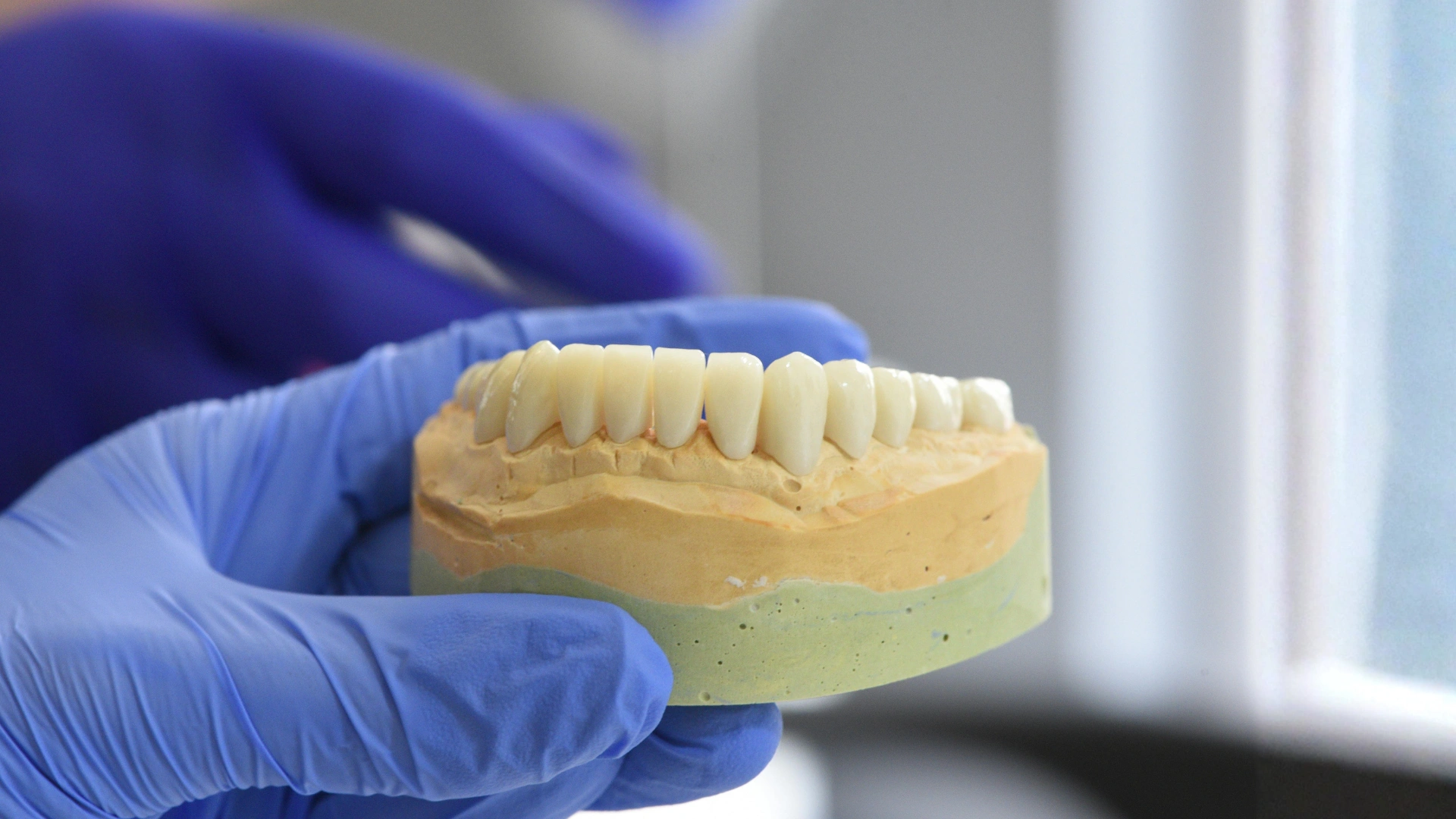
Metal crowns have a long clinical track record and tolerate heavy chewing forces well. They are often considered for back teeth, short teeth with limited space, or patients with strong bites.
Porcelain-fused-to-metal crowns combine a metal base with a porcelain exterior. They can work in many parts of the mouth, but the porcelain may chip and gum recession can reveal a gray or dark margin.
All-ceramic crowns often provide the most natural appearance for front teeth. Still, a very translucent ceramic may not hide a dark tooth or metal post well.
Zirconia offers high strength with a tooth-colored appearance and is widely used on molars. The material should match the tooth, bite, and cosmetic goal, not just the price.
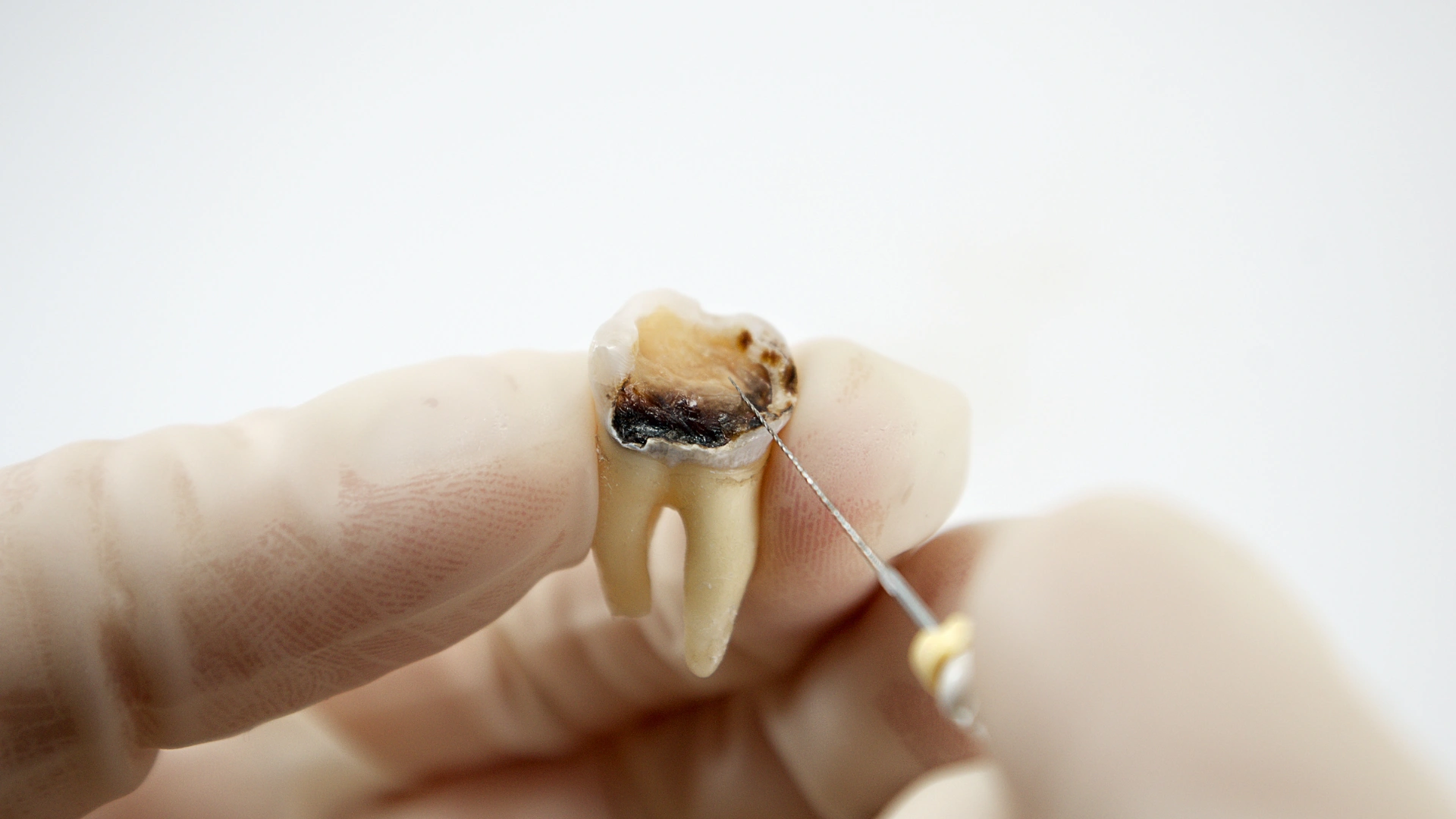
A crown may be recommended for a tooth with a large filling, extensive decay, a major crack, severe wear, or too little remaining structure to support another filling. It may also cover a dental implant or protect certain teeth after root canal therapy.
Symptoms can include pain when biting, sensitivity, a sharp edge, food trapping, or a filling that keeps breaking. Some cracks and cavities cause few symptoms, so a dental exam is needed to decide whether a crown, dental fillings, an onlay, root canal therapy, or extraction is the better option.
A crown does not treat every cause of tooth pain. If the pulp, the soft tissue inside the tooth that contains nerves and blood vessels, is irreversibly inflamed or infected, root canal treatment may be needed before the final crown.
The evaluation usually includes your symptom history, a visual exam, a bite check, and dental X-rays. The dentist may also test temperature response, tapping sensitivity, tooth mobility, gum support, and whether a crack extends below the gumline.
How many healthy teeth remain is a key factor. A buildup may replace missing structure before the crown is placed, and a post may sometimes help retain that buildup after root canal treatment, but a post does not strengthen the root.
The dentist also considers grinding, clenching, cosmetic priorities, allergies or sensitivities, and how easy the restoration will be to clean. Teeth with deep fractures, severe periodontal disease, or too little restorable structure may have a poor long-term outlook even if a crown can technically be made.
Material is only one part of the fee. Case complexity, lab charges, digital design, custom shading, and limited working space can all increase the cost.
Additional treatment can change the total substantially. This may include a core buildup, root canal therapy, crown lengthening, treatment for decay below the gumline, or replacement of an old post.
For an implant crown, the quoted fee may cover only the visible crown. It may not include the implant, surgery, bone grafting, or the abutment that connects the implant to the crown.
Ask for a written treatment estimate with itemized procedure codes if you want to compare offices accurately. That makes it easier to see whether one quote includes related services that another quote lists separately.
Many dental plans classify crowns as major restorative care and pay a percentage after the deductible, up to the plan's annual maximum. Coverage may also depend on waiting periods, replacement rules, missing-tooth clauses, and network status.
Some plans use an alternate benefit. That means the insurer may pay only the amount allowed for a less expensive material even if you choose a different one.
A pretreatment estimate can help clarify expected benefits, but it is not a guarantee of payment. If you do not have insurance, it may help to ask about payment plans, membership programs, or dental school clinics.
Traditional crown treatment often takes two visits. At the first visit, the dentist removes decay, shapes the tooth, takes a scan or impression, and places a temporary crown.
At the second visit, the dentist checks the fit, bite, and appearance before cementing the final crown. Some offices can design and mill certain ceramic crowns in one visit, but same-day treatment depends on the tooth, the material, and the clinical situation.
Mild gum soreness or temperature sensitivity can happen after treatment and usually improves. A new crown should not feel high when you bite, and persistent pain, worsening sensitivity, looseness, or trouble chewing should be checked promptly.

Crowns often last about 5 to 15 years, and sometimes longer. Crown lifespan depends on decay at the margin, gum disease, fractures, grinding, trauma, and cement failure.
The tooth under the crown can still get decay because the natural tooth remains vulnerable. Daily brushing with fluoride toothpaste, cleaning between teeth, and regular dental visits help protect the restoration and the supporting tooth.
A night guard may be recommended if grinding or clenching raises the risk of fracture. Regular follow-up also helps catch open margins, chips, bite changes, and gum inflammation early.
Contact a dentist promptly if a crown feels loose, breaks, or falls off. You should also seek care for severe or worsening pain, swelling, drainage, fever, a bad taste, or pain that wakes you from sleep.
A lost crown should be assessed soon because the exposed tooth may be sensitive, may fracture, or may shift enough to make replacement harder. Seek urgent medical care for rapidly spreading facial or neck swelling, difficulty breathing or swallowing, confusion, or swelling near the eye.
For nonurgent concerns, an exam and itemized estimate can clarify whether the tooth is restorable, which material best fits your bite and cosmetic goals, and what the full treatment is likely to cost.
Start with a dental exam so your dentist can recommend whether a crown or an alternative offers the best outcome and a clear, itemized estimate. South Florida Sedation Dentistry focuses on dental crowns in Greenacres and nearby Palm Springs; call (561) 941-7554 to schedule or ask about same-day availability.
There is no single best crown for every tooth. Zirconia or metal may suit heavy chewing forces, while certain ceramics may provide a more natural result for visible front teeth.
Resin crowns may have a lower initial fee in some offices, but they are not appropriate for every case and may need replacement sooner. Insurance allowances and local fees can also change which option costs less out of pocket.
No. A root canal is usually considered when the pulp is irreversibly inflamed, infected, or no longer vital, not simply because a crown is being placed.
Sometimes. A filling or onlay may work when enough strong tooth remains, while a crown may offer better protection when damage is extensive.
Prices vary because of material choice, lab fees, geographic area, case complexity, and additional procedures. One quote may also include services such as imaging, a buildup, or a temporary crown that another quote lists separately.
Have your friend, family member, or co-worker scan the code below or visit southfloridasedationdentistry.com on their phone to load our site. Most modern cell phones can scan QR codes using the phone’s camera.