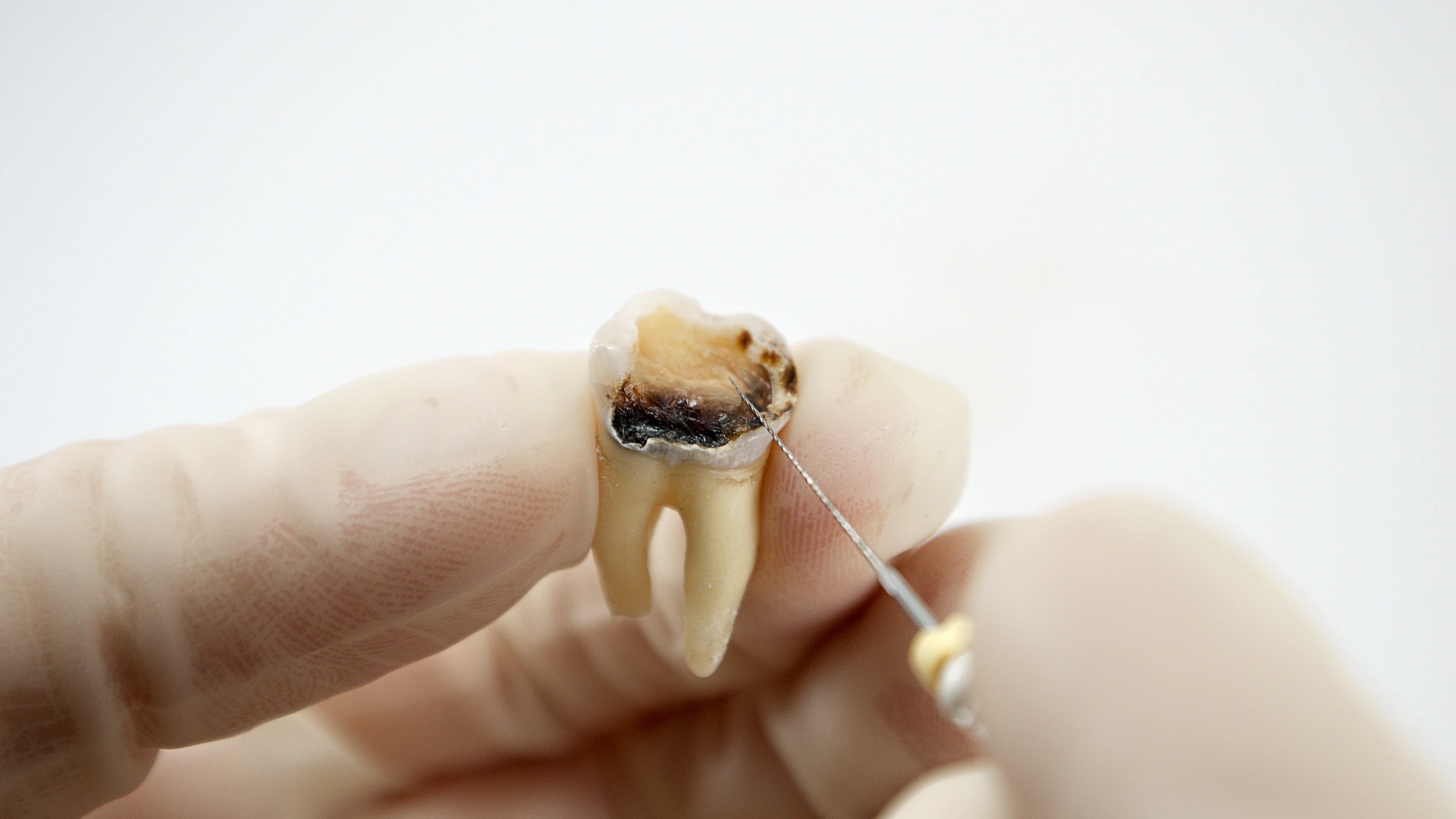
A common question in dentistry is simple but important: what does an infected tooth look like before the problem becomes severe? An infected tooth may appear darker than nearby teeth, look cracked or decayed, or cause swelling in the surrounding gum.
However, many dental infections begin inside the tooth, where bacteria reach the pulp through deep decay, a fracture, or a leaking filling. As a result, the outside of the tooth may show only subtle changes while the infection is already progressing.
Visible signs often develop gradually, from a cavity, chipped edge, or discoloration to swollen, tender gums or a small bump near the root. Many people assume the problem is minor when the tooth does not look badly damaged. Even a tooth with only slight changes in appearance can still require prompt dental treatment.
South Florida Sedation Dentistry offers emergency dentistry in Greenacres, FL and provides prompt care for urgent dental problems like severe pain or swelling.
An infected tooth can look different depending on the cause and how long the problem has been present. The most common visible signs include:
Color change can be confusing. Not every dark tooth is infected, and not every infected tooth changes color. Still, a gray or dull tooth after trauma or long-standing decay can suggest damage to the nerve inside.
The gum may offer clearer clues than the tooth itself. Localized swelling beside one tooth, especially if it is tender or drains fluid, often points to infection around the root. If the swelling extends into the cheek or jawline, the situation needs prompt evaluation.
The pattern often starts with tooth decay, a crack, or prior trauma. At first, there may be brief sensitivity to cold, sweets, or biting pressure. This stage does not always mean the pulp is infected, but it can be the pathway that lets bacteria move inward.
As inflammation deepens, pain may become more spontaneous. Patients often describe throbbing pain, pain that wakes them at night, or discomfort that lingers after hot or cold foods. The visible appearance may still be limited to a cavity, a darkened tooth, or mild gum irritation.
Later, the tooth may stop hurting as much, which can be misleading. When the nerve tissue dies, pain sometimes decreases temporarily even while infection spreads beyond the root tip into the surrounding bone and gum. At that point, a gum boil or localized swelling may become the most obvious sign.
A front tooth with infection may look darker or slightly longer if the gum around it swells. A back tooth may show very little from the outside because the damage is hidden in grooves, between teeth, or under an old filling. Molars also tend to cause symptoms that feel more like jaw pain or pain on chewing than a clearly visible tooth problem.
Drainage can also change the picture. If pressure from infection escapes through the gum, a small bump may form and pain may lessen. If the infection is trapped, swelling and pressure may build more quickly and the area can become much more painful.
This is why dentists do not rely on appearance alone. They look at the history, the pattern of pain, temperature sensitivity, tenderness to pressure, gum changes, and X-rays together. A tooth can look fairly normal and still be infected.
Patients often compare an infected tooth with a cavity, gum irritation, or a stained tooth. That comparison can help, but the overlap can also be misleading.
A cavity may look like a brown, black, or chalky area on the tooth. It can cause sensitivity, but it does not always mean the pulp is infected. Concern rises when decay is deep, pain becomes spontaneous, or the gum near the tooth starts to swell.
Gingivitis means inflammation of the gums. It can make the tissue red and puffy, but it usually affects multiple areas rather than one isolated spot. If you are unsure whether gum changes are a sign of infection, read more about gum disease.
Bleeding while brushing is common with gum inflammation. A single tender bump with drainage is more concerning for infection near the root of one tooth.
Coffee, tea, tobacco, and age-related wear can stain teeth without infection. Trauma is different. If a tooth turns gray after being hit, the pulp may have been injured, and a dental exam is wise even if pain is mild or absent.
Upper back tooth discomfort can sometimes come from sinus pressure, and clenching can mimic tooth pain. Even so, persistent pain with swelling, tenderness to biting, or a visible gum bump should not be dismissed. A dentist can help determine whether the source is dental, periodontal, or referred from another area.
Some dental infections stay localized for a time, but others spread into deeper tissues. Seek emergency dentistry care, and emergency medical care when needed, if any of the following are present:
These signs do not automatically mean a dangerous complication is present, but they raise concern for spread beyond the tooth itself. Infections in the lower jaw can sometimes extend into spaces that affect swallowing or breathing. That is why worsening swelling should not be monitored casually at home.
Mayo Clinic also notes these emergency symptoms as reasons to seek prompt care. If symptoms are severe, spreading, or causing facial asymmetry, waiting several days for a routine appointment is usually the wrong choice.

A dentist usually starts with a focused exam. That includes looking for decay, fractures, old restorations, gum swelling, and drainage. The tooth may also be tapped gently or tested with temperature to see how the nerve responds.
Dental X-rays are often essential because they show what the eye cannot. Infection around the root may appear as a dark area in the bone, though early changes are not always obvious right away. In some cases, additional imaging is needed if the anatomy is complex or the swelling pattern is unclear.
This is where a full dental exam becomes valuable. A complete evaluation that includes history, testing, and imaging helps distinguish a simple cavity from a deeper infection.
That broader approach is more reliable than trying to diagnose a tooth from appearance alone. It also helps avoid overtreating teeth that are irritated but not infected while identifying teeth that need prompt care even if the outside looks fairly normal.
If the tooth can be saved, treatment often involves root canal therapy. This procedure removes infected or damaged pulp tissue, cleans the inside of the tooth, and seals it. A crown may later be recommended if the tooth is structurally weak.
If the tooth is too damaged to restore, extraction may be the safer option. When swelling is present, the dentist may also treat any localized collection of infection as part of care. The exact plan depends on the tooth, the extent of damage, and the patient’s overall health.
One point deserves emphasis: pain relief alone does not solve the problem. An untreated source inside the tooth may quiet down temporarily and then flare again, sometimes at a much less convenient time.
If you are trying to understand whether your symptoms fit a root canal, see our post on root canal for more detail on typical signs and what to expect.
Many patients are anxious about urgent treatment. Sedation dentistry can help people feel calm and comfortable while necessary care is completed. Learn more about how sedation works or the specifics of IV sedation if deeper sedation may be helpful.
Patients often search online images to compare what they see in the mirror. That can help you notice patterns such as a gum bump, obvious decay, or facial swelling. It is much less useful for ruling infection out.
Many infected teeth do not have a dramatic appearance. A small crack, a deep cavity between teeth, or a dying nerve under an old filling may be nearly invisible without dental tools and X-rays. The more important question is not only what the tooth looks like, but what else is happening around it.
If a tooth looks different and also hurts, feels loose, has nearby swelling, or has changed over time, a dental evaluation is the safest next step. A timely exam can often clarify whether the issue is a simple cavity, a cracked tooth, gum disease, or a true infection that needs prompt treatment.
If you have signs of infection, South Florida Sedation Dentistry in Greenacres, FL offers emergency dentistry and serves patients from Wellington and Palm Beach County; call (561) 967-2001 to schedule.
It may look darkened, broken, decayed, or surrounded by swollen gum. In some cases, there is a small pimple-like bump on the gum near the tooth. However, some infected teeth look almost normal from the outside.
Yes. A tooth infection may cause pain, temperature sensitivity, or biting discomfort before any visible swelling appears. Some infections remain hidden inside the tooth or bone for a period of time.
No. A gray tooth can follow trauma or internal damage, but it does not always mean active infection. It does mean the tooth should be evaluated, especially if there is pain, tenderness, or gum change nearby.
Not always, but a persistent bump near one tooth is a strong reason to see a dentist. It may represent drainage from infection around the root, though other gum conditions can also cause localized swelling.
Seek urgent care if there is rapidly worsening swelling, fever, difficulty swallowing, trouble breathing, or swelling spreading into the face or neck. Those features may signal a more serious infection pattern and should not be ignored.
Have your friend, family member, or co-worker scan the code below or visit southfloridasedationdentistry.com on their phone to load our site. Most modern cell phones can scan QR codes using the phone’s camera.