Gingivitis is a mild, early form of gum disease that affects the gum tissue around the teeth. It usually starts when plaque, a sticky film of bacteria, builds up along the gumline and causes inflammation.
Many people first notice gingivitis when their gums bleed during brushing or flossing. The good news is that it is often reversible when it is found early and treated with professional dental care and better plaque control at home.
South Florida Sedation Dentistry in Greenacres, FL provides professional teeth cleaning services and the preventive care described here.
Healthy gums form a firm seal around the teeth. When plaque collects near that seal, bacteria and their byproducts can irritate the tissue and make it swollen, tender, and more likely to bleed.
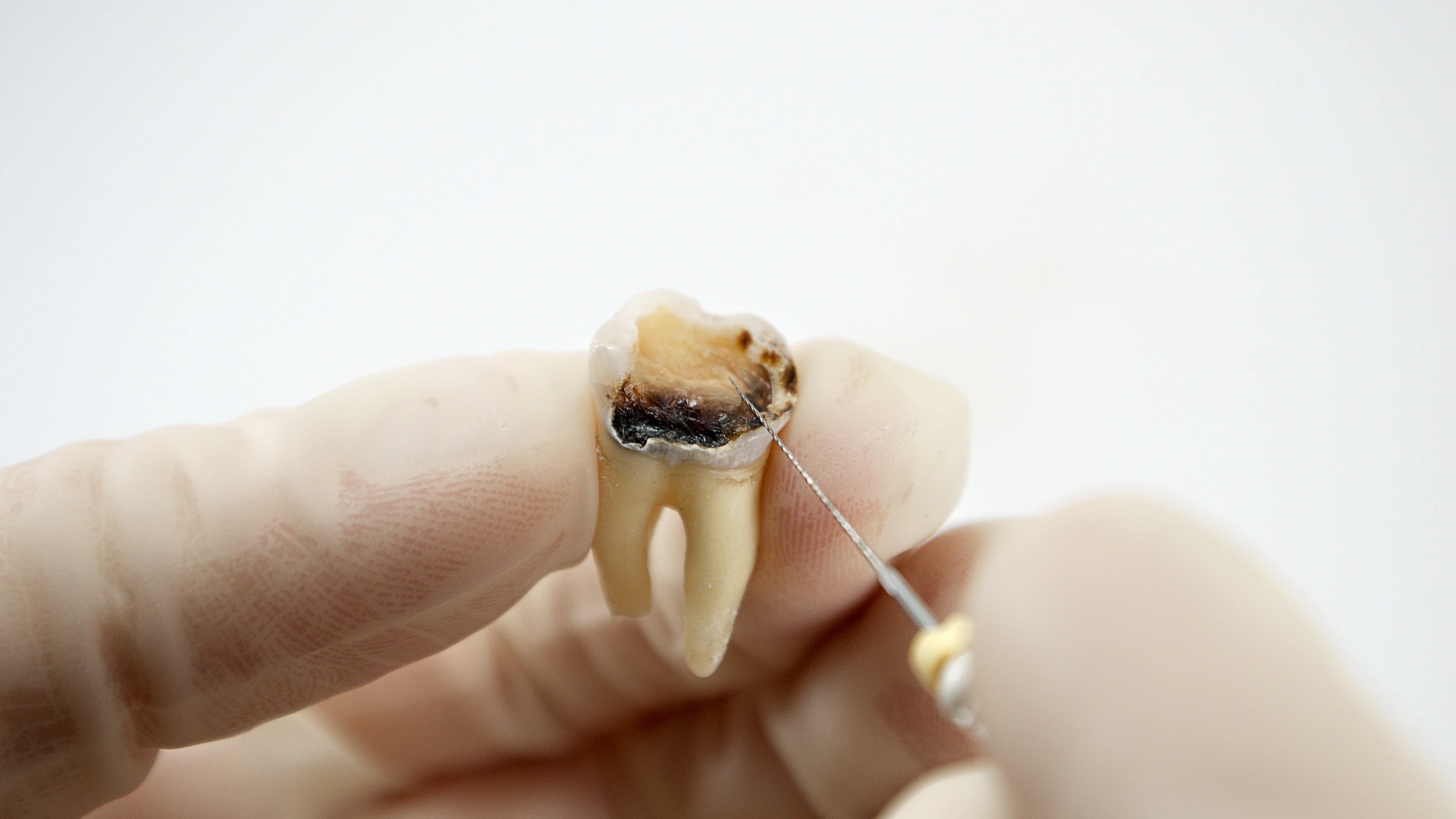
If plaque is not removed well, it can harden into calculus, also called tartar. Tartar cannot be brushed off at home, and its rough surface makes it easier for more bacteria to collect.
Gingivitis does not always hurt in the early stages. That is one reason people may ignore it until bleeding, puffiness, or bad breath becomes more noticeable.
Common signs of gingivitis include bleeding gums when brushing or flossing, redness, puffiness, and a gumline that looks irritated instead of firm and pale pink. Some patients also notice bad breath or a bad taste that does not fully go away.
In many cases, the gums feel sensitive but not sharply painful. Because the symptoms can seem minor, people often wait too long to schedule an exam.
These signs do not always mean gingivitis alone. Similar symptoms can happen with periodontitis, irritation from dental appliances, mouth breathing, smoking, or certain health conditions. For a broader checklist of warning symptoms, see signs of gum disease.
The main cause is plaque that stays on the teeth and gumline long enough to inflame the tissue. In practical terms, that usually means daily brushing and flossing are not removing enough buildup.
Some people are more likely to develop gingivitis or have a harder time getting it under control. Common risk factors include smoking, dry mouth, crowded teeth, poorly fitting dental work, hormonal changes, and health conditions that affect immune response.
Certain medications can also change the gums or reduce saliva flow. A dentist looks at the full picture instead of assuming the cause is only brushing technique.
A dental exam usually starts with a visual check of the gums and teeth. The dentist looks for redness, swelling, plaque buildup, tartar deposits, and areas that bleed easily.
The gums may also be measured with a small instrument called a periodontal probe. This helps show whether the inflammation is limited to the surface gum tissue or whether there are signs of deeper attachment loss, which can suggest periodontitis.
Dental X-rays are not always needed just to confirm gingivitis. They may be recommended if bone loss, hidden tartar, or other dental problems are possible.
This distinction matters because gingivitis is usually reversible, while periodontitis can cause permanent damage to the structures that support the teeth.
Treatment usually starts with a professional teeth cleaning to remove plaque and tartar from the teeth and around the gumline. Once that buildup is reduced, the gums often begin to calm down within days to weeks.
The next step is improving home care in a way that is realistic and consistent. That usually means brushing carefully along the gumline and cleaning between the teeth every day with floss or another dentist-recommended tool.
If inflammation extends below the gumline, a deeper cleaning such as scaling and root planing may be recommended. This treatment removes bacteria and buildup from periodontal pockets.
If the gums are very inflamed, the dentist may recommend a shorter follow-up interval to make sure healing is happening. If symptoms do not improve as expected, the office may look more closely for deeper gum disease, smoking effects, mouth breathing, or other contributing factors.

Many patients notice less bleeding and less puffiness soon after a cleaning and better daily plaque removal. As the inflammation settles, the gums often become firmer and look healthier.
Healing is not just about one appointment. If plaque starts building up again, gingivitis can return, sometimes quickly.
That is why maintenance matters. Regular cleanings and steady home care help prevent a short-term improvement from turning into a repeating cycle.
If your gums bleed often, look swollen, or have not felt healthy for a while, a dental exam is the safest next step. A dentist can confirm whether this is simple gingivitis or a more advanced gum problem and explain what treatment makes sense for your situation.
Gingivitis is the early stage of gum inflammation, but it should not be dismissed as harmless. If it is not treated, it can progress to periodontitis, which affects the deeper supporting tissues and bone around the teeth.
Learn more about periodontics if gum disease has become more advanced or keeps coming back.
Warning signs that need prompt evaluation include gums that pull away from the teeth, persistent bleeding, pus, loose teeth, pain when chewing, or swelling that does not settle. These symptoms do not always mean advanced disease, but they should not be watched at home for long.
If gums pull away, learn how dentists fix receding gums. If there is facial swelling, fever, or trouble swallowing, urgent medical or dental care is appropriate because those symptoms may point to a more significant infection or another condition that needs timely treatment.
The best prevention is steady plaque control, not aggressive brushing. Brushing twice a day, cleaning between the teeth daily, and keeping regular dental visits usually help more than occasional intense efforts.
It also helps to address practical barriers. Crowded teeth, orthodontic appliances, dry mouth, and smoking can all make gum inflammation harder to control, so prevention may need to be tailored to those factors.
From a clinical standpoint, gingivitis is one of the clearest examples of why routine dental care matters. It often starts quietly, responds well when treated early, and becomes much harder to manage if ignored.
If your gums are bleeding or swollen, South Florida Sedation Dentistry in Greenacres, FL, serving nearby Wellington and Royal Palm Beach, can help with teeth cleanings; call (561) 967-2001 to schedule an appointment.
It may improve slightly if plaque levels drop, but it usually does not resolve reliably without better home care and often a professional dental cleaning. If bleeding or swelling continues, a dental visit is the right next step.
No. Gingivitis often causes bleeding, redness, or puffiness before it causes pain, which is why many patients do not realize the gums are inflamed.
No. Gingivitis affects the surface gum tissue and is usually reversible, while periodontitis involves deeper supporting structures and can cause permanent damage.
Yes. Gingivitis can happen at many ages, especially when plaque builds up around the gumline or around orthodontic appliances.
If bleeding keeps happening, gets worse, or comes with swelling, bad breath, gum recession, or loose teeth, schedule a dental evaluation. If there is major swelling, fever, or trouble swallowing, seek urgent care.
Have your friend, family member, or co-worker scan the code below or visit southfloridasedationdentistry.com on their phone to load our site. Most modern cell phones can scan QR codes using the phone’s camera.