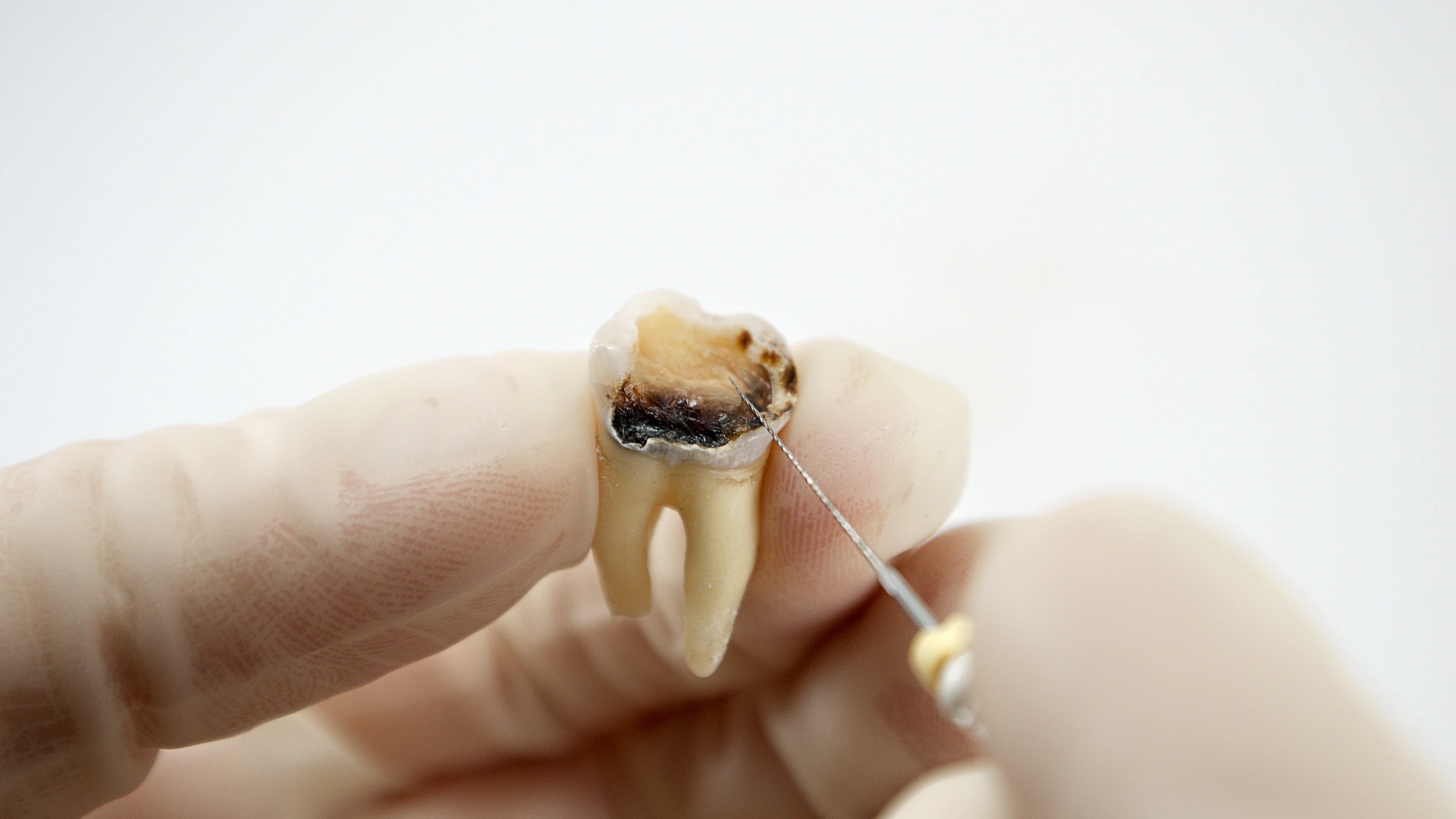
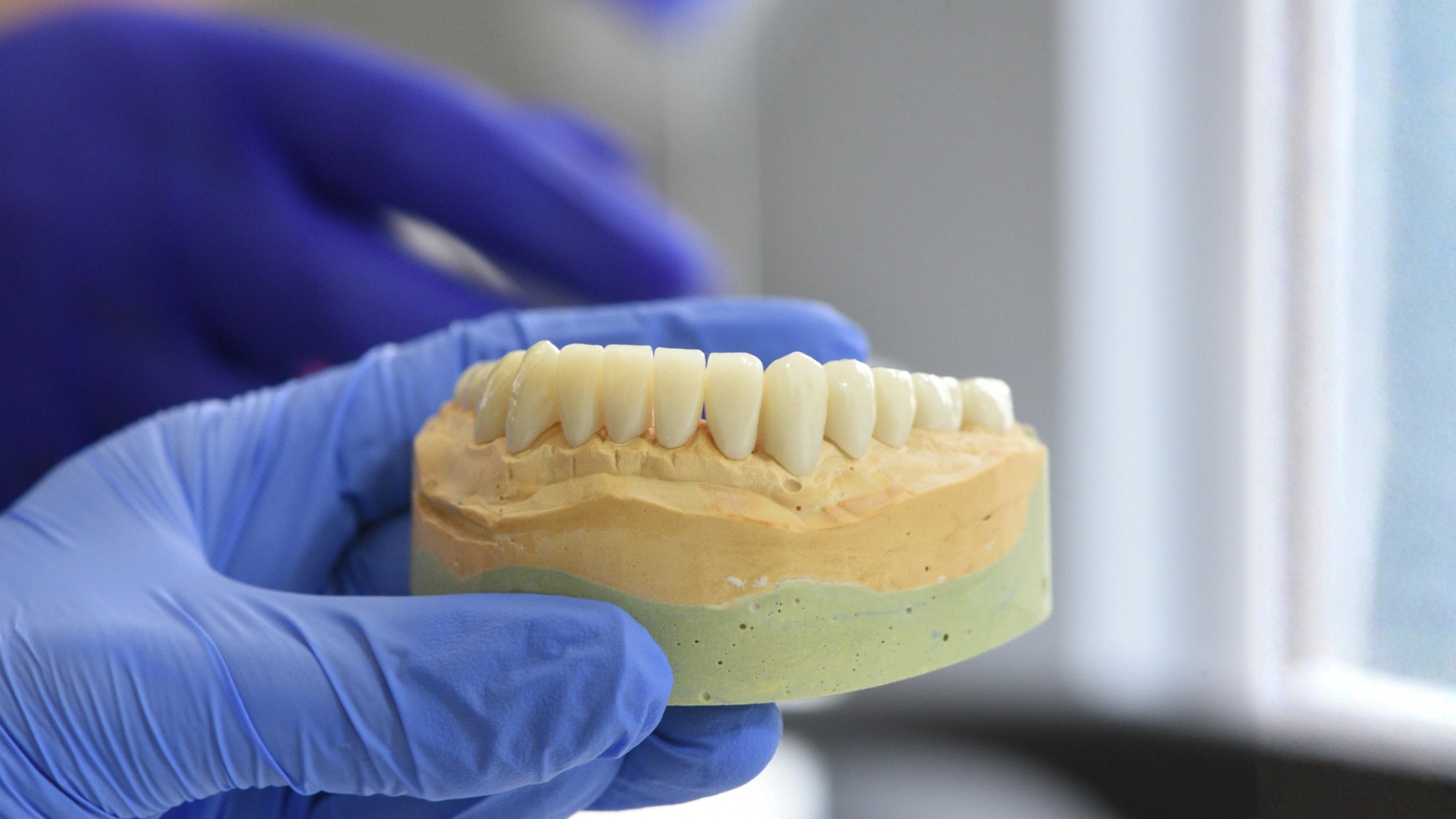
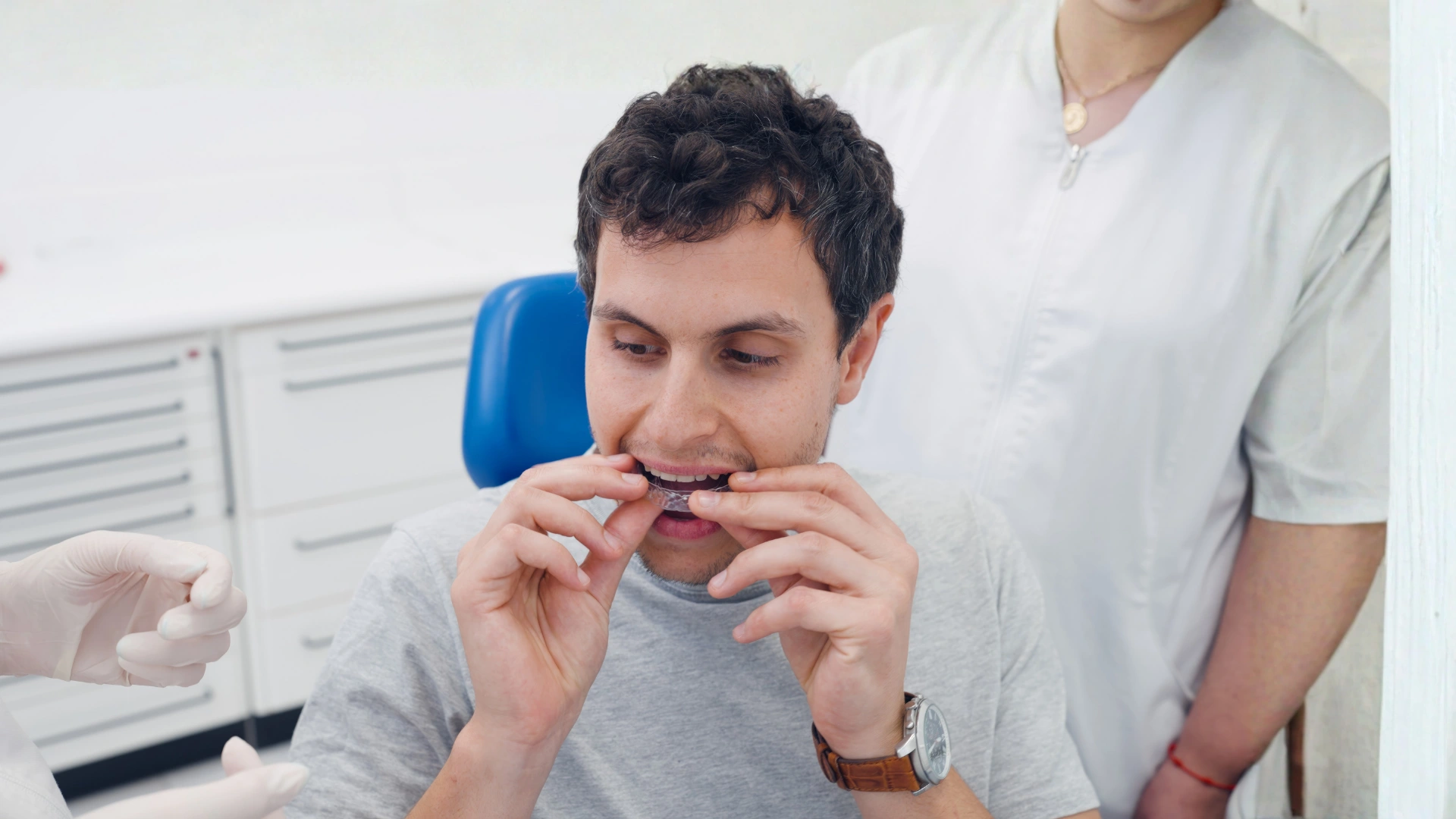
Gingivitis is early gum inflammation that is usually reversible with professional care such as a teeth cleaning and consistent daily plaque removal. Periodontitis is a more advanced form of gum disease that damages the tissues and bone supporting the teeth, and while that damage usually cannot be fully reversed, treatment can often control it and help preserve teeth. To learn more about the earlier stage, see what gingivitis is.
Bleeding during brushing or flossing is one of the common signs of gum disease, but it does not show how advanced the condition is. Persistent bad breath, gum recession, tooth movement, chewing discomfort, or pus near the gums can suggest a more serious problem and should be evaluated by a dentist.
If you're noticing persistent bleeding, gum recession, or other signs that gingivitis may have progressed, specialist periodontics can clarify the diagnosis and outline appropriate care. At South Florida Sedation Dentistry in Greenacres, FL, our team focuses on reducing inflammation and preserving teeth so you understand expected outcomes and next steps.
Dental plaque is a sticky bacterial film that constantly forms on teeth. When it stays along the gumline, the body responds with inflammation, which can make the gums red, swollen, tender, or prone to bleeding.
With gingivitis, the inflammation is limited to the gum tissue. There is no loss of the bone or connective attachment that holds the teeth in place.
Periodontitis develops when inflammation extends below the gumline and the attachment around the tooth breaks down. Periodontal pockets may deepen, bacteria become harder to remove, and supporting bone can be lost over time.
|
Feature |
Gingivitis |
Periodontitis |
|---|---|---|
|
Area affected |
Gum tissue |
Gums, tooth-supporting ligament, and bone |
|
Common signs |
Redness, swelling, bleeding, bad breath |
Bleeding, recession, deep pockets, tooth movement, chewing discomfort |
|
Bone loss |
No |
Present to varying degrees |
|
Reversibility |
Usually reversible |
Damage is generally permanent, but progression can often be controlled |
|
Typical care |
Professional cleaning and improved home care |
Deeper cleaning, ongoing maintenance, and sometimes surgery or specialist care |
Not every case of gingivitis progresses to periodontitis, and the rate of progression varies from person to person. Risk factors increase when plaque and hardened deposits called calculus remain around or below the gumline, especially in people who smoke, use tobacco, have poorly controlled diabetes, take certain medications, or have a genetic susceptibility.
Dry mouth, crowded teeth, and restorations that are hard to clean around can also contribute. Periodontitis may advance with little pain, so waiting for a tooth to hurt is not a reliable way to judge gum health.
Gum disease is not a one-time infection that can simply be removed and forgotten. Long-term control depends on reducing bacterial buildup, managing health risks, and keeping up with regular professional care.
A dentist or dental hygienist reviews symptoms, medical history, tobacco use, medications, diabetes status, and previous dental care. The exam looks for inflammation, recession, plaque, calculus, tooth mobility, bite changes, and areas that bleed easily.
A small instrument called a periodontal probe measures the space between each tooth and the surrounding gum. Deeper pockets, attachment loss, or bone loss support a diagnosis of periodontitis rather than gingivitis, although the measurements must be interpreted in context.
Dental X-rays may be needed to evaluate the bone around the teeth and identify bone loss that cannot be seen directly. The clinician may also chart the location and severity of disease to guide treatment and compare findings over time.
Gingivitis treatment usually starts with a professional cleaning to remove plaque and calculus, followed by improved brushing and cleaning between the teeth at home. Bleeding and swelling often improve as inflammation resolves, but persistent symptoms should be reassessed. For more guidance, see how to fix gingivitis.
Periodontitis commonly requires scaling and root planing, which is a deeper cleaning below the gumline. The goal is to disrupt bacterial deposits and leave a cleaner root surface so inflammation can decrease and the gum tissue can heal as much as possible.
After healing, the dentist measures the pockets again and checks bleeding and tissue response. Remaining deep pockets, difficult root anatomy, advanced bone loss, or tooth mobility may lead to referral for periodontics.
In some cases, periodontal surgery, regenerative procedures, or tooth removal may be considered. When gum recession is present, a dentist may also discuss procedures to fix receding gums.
Treatment depends on disease severity, tooth prognosis, general health, and how the tissues respond. Not every patient needs the same approach.
Gingivitis can often resolve without permanent damage when plaque and calculus are controlled. Periodontitis usually cannot be returned to its original baseline, but stable periodontal health is often achievable with treatment and maintenance.
Periodontal maintenance visits are usually more detailed than routine preventive cleanings because they focus on areas affected by prior disease. The interval is individualized based on pocket depth, inflammation, risk factors, and how well plaque is controlled at home.
Smoking cessation, diabetes management, daily brushing with fluoride toothpaste, and cleaning between the teeth can improve long-term control. A dentist can recommend floss, interdental brushes, or other aids based on the spaces between the teeth and any dental work present.
Receding gums can result from more than one cause. Read more about the causes of receding gums if that is a concern.

Arrange a dental evaluation for bleeding that persists, recurring swelling, ongoing bad breath, gum recession, changes in the bite, loose teeth, or discomfort when chewing. Earlier assessment may allow treatment before more supporting tissue is lost.
Seek prompt dental or medical care for rapidly increasing facial or gum swelling, fever with dental swelling, pus, severe worsening pain, or difficulty opening the mouth. Trouble breathing or swallowing requires emergency care, because swelling from a dental infection can sometimes spread beyond the mouth.
Because gum disease may be present without significant pain, regular examinations remain important even when symptoms seem mild. A periodontal assessment can show whether inflammation is limited to gingivitis or has progressed to tissue and bone loss, so care can be matched to the findings.
If you suspect advanced gum disease or need a definitive assessment, a periodontics evaluation can identify pocketing, bone loss, and the best treatment pathway. Contact South Florida Sedation Dentistry for periodontics in Greenacres or nearby Palm Springs, or call (561) 941-7554 to book an appointment.
Yes. Untreated gingivitis can progress to periodontitis in susceptible people, although progression is not inevitable.
Plaque control, professional care, tobacco exposure, diabetes control, and individual risk all affect what happens over time.
Not necessarily. Bleeding often reflects gum inflammation, but an exam with periodontal measurements and, when appropriate, X-rays is needed to determine whether supporting tissue or bone has been lost.
Lost attachment and bone generally cannot be fully restored to their original state. Treatment can often stop or slow progression, reduce inflammation, and help preserve teeth when followed by consistent periodontal maintenance.
No. Periodontitis may progress quietly and cause little or no pain until it becomes advanced, which is why symptoms alone cannot determine severity.
A routine cleaning mainly addresses deposits above the gumline and may be appropriate for gingivitis. Periodontitis often requires cleaning below the gumline and a structured maintenance plan, with additional treatment in more advanced cases.
Have your friend, family member, or co-worker scan the code below or visit southfloridasedationdentistry.com on their phone to load our site. Most modern cell phones can scan QR codes using the phone’s camera.



 Trustindex verifies that the original source of the review is Google.
  Trustindex verifies that the original source of the review is Google.
  Trustindex verifies that the original source of the review is Google.
  Trustindex verifies that the original source of the review is Google.
  Trustindex verifies that the original source of the review is Google.
  Trustindex verifies that the original source of the review is Google.
  Trustindex verifies that the original source of the review is Google.
  Trustindex verifies that the original source of the review is Google.
  Trustindex verifies that the original source of the review is Google.