To remove plaque from teeth, brush twice a day with fluoride toothpaste, clean between the teeth once a day, and have hardened deposits removed during a teeth cleaning. Soft plaque can usually be removed at home, but tartar cannot be removed safely without professional removal.
When plaque keeps returning or hard deposits will not brush away, a professional teeth cleaning can remove tartar safely and help calm irritated gums. South Florida Sedation Dentistry in Greenacres, FL, provides gentle, thorough cleanings that can lower inflammation and reduce cavity risk.
Plaque is a soft, sticky film made of bacteria, food debris, and saliva. It forms continuously on the teeth, especially along the gumline, between teeth, and around fillings, crowns, braces, or other dental work.
Plaque bacteria feed on sugars and starches from food and drinks. As they break these down, they produce acids that can weaken enamel and raise the risk of cavities.
When plaque stays near the gums, it can trigger redness, swelling, and bleeding. If it is not removed, minerals in saliva can harden it into tartar, also called dental calculus, which creates a rough surface that holds even more plaque.
Brush twice a day for about two minutes with a soft-bristled manual or electric toothbrush and fluoride toothpaste. Aim the bristles gently toward the gumline and clean the outer, inner, and chewing surfaces with small controlled motions.
Clean between the teeth once a day with floss, an interdental brush, or another tool recommended by a dental professional. The best option depends on tooth spacing, gum health, braces, bridges, implants, and hand dexterity.
Spit out the excess toothpaste after brushing and follow the product label for rinsing. Mouthwash may support plaque control, but it does not replace brushing and cleaning between the teeth.
Plaque-disclosing tablets or solutions can help show where plaque remains after brushing. Use them as directed, and expect temporary staining of the tongue, lips, or some dental materials.
Frequent sugary or starchy snacks and drinks give plaque bacteria more chances to make acid. Limiting how often these foods are consumed, drinking water, and avoiding repeated sipping between meals can help reduce that exposure.
Dry mouth can also increase plaque buildup and cavity risk because saliva helps wash away debris and neutralize acid. Ongoing dry mouth may be related to medications, dehydration, tobacco use, or a medical condition and should be discussed with a dentist or physician.
Replace a toothbrush or electric brush head when the bristles become frayed, usually every few months. Worn bristles clean less effectively, and brushing harder does not remove tartar.
Do not scrape your teeth with metal instruments, fingernails, or household tools. These methods can injure the gums, scratch teeth or restorations, and leave deposits behind.
Avoid using bleach, abrasive powders, acidic liquids, or other household substances to remove plaque. These products can irritate soft tissues and damage enamel without providing reliable plaque control.
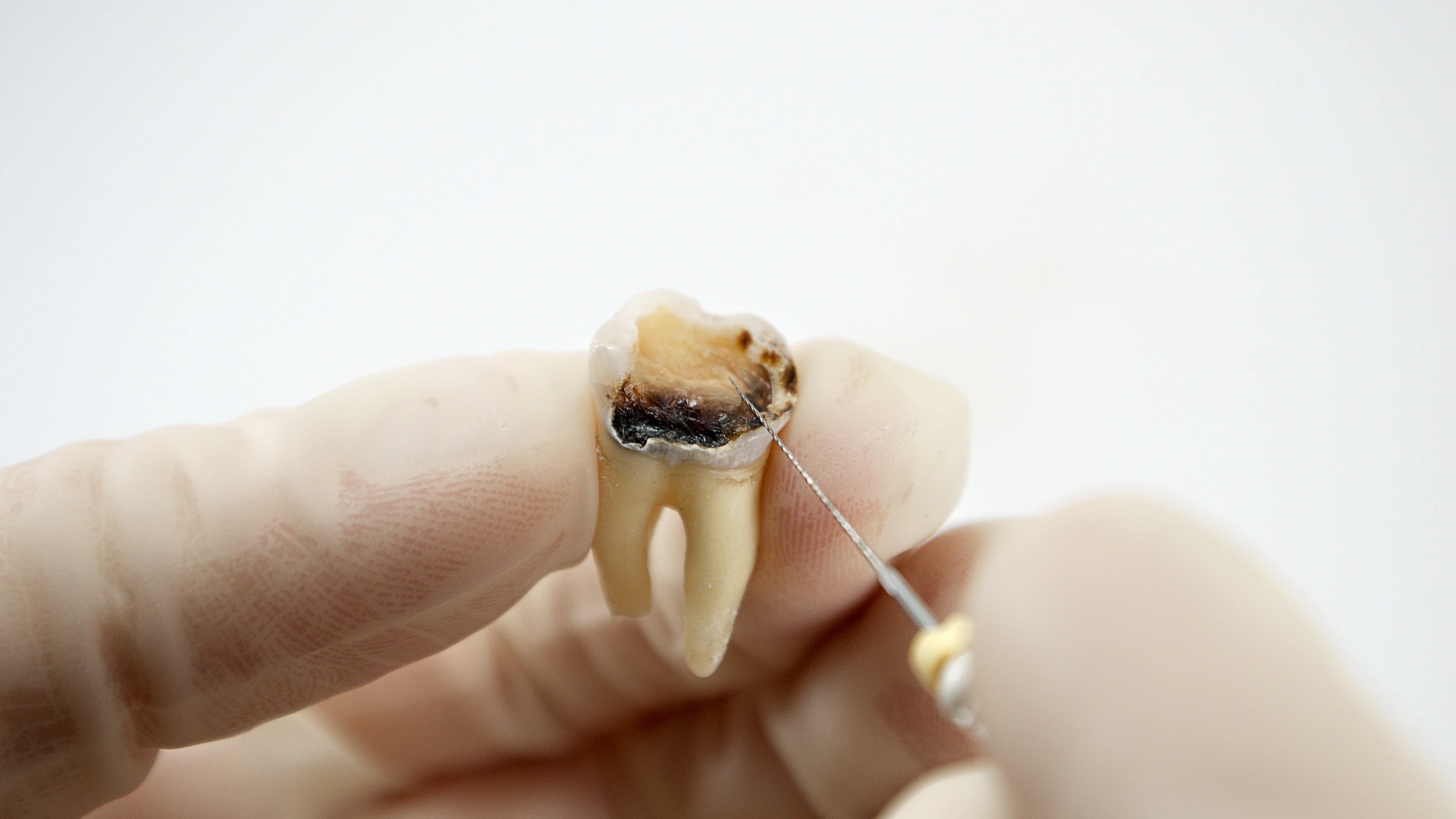
If you see yellow, brown, or off-white buildup that feels hard and does not brush away, it may be tartar rather than plaque. A dentist or hygienist can remove it safely during a teeth cleaning.
A dental exam usually includes checking for plaque, tartar, cavities, and signs of gum inflammation. The dentist or hygienist may also measure the spaces around the teeth and take X-rays when needed to look for bone loss or hidden decay.
This evaluation helps distinguish mild gingivitis from periodontitis, which is a more advanced gum infection that affects the supporting tissues and bone. It can also show why plaque keeps collecting, such as crowded teeth, rough restorations, braces, or areas that are difficult to clean. To recognize early symptoms, see signs of gum disease.
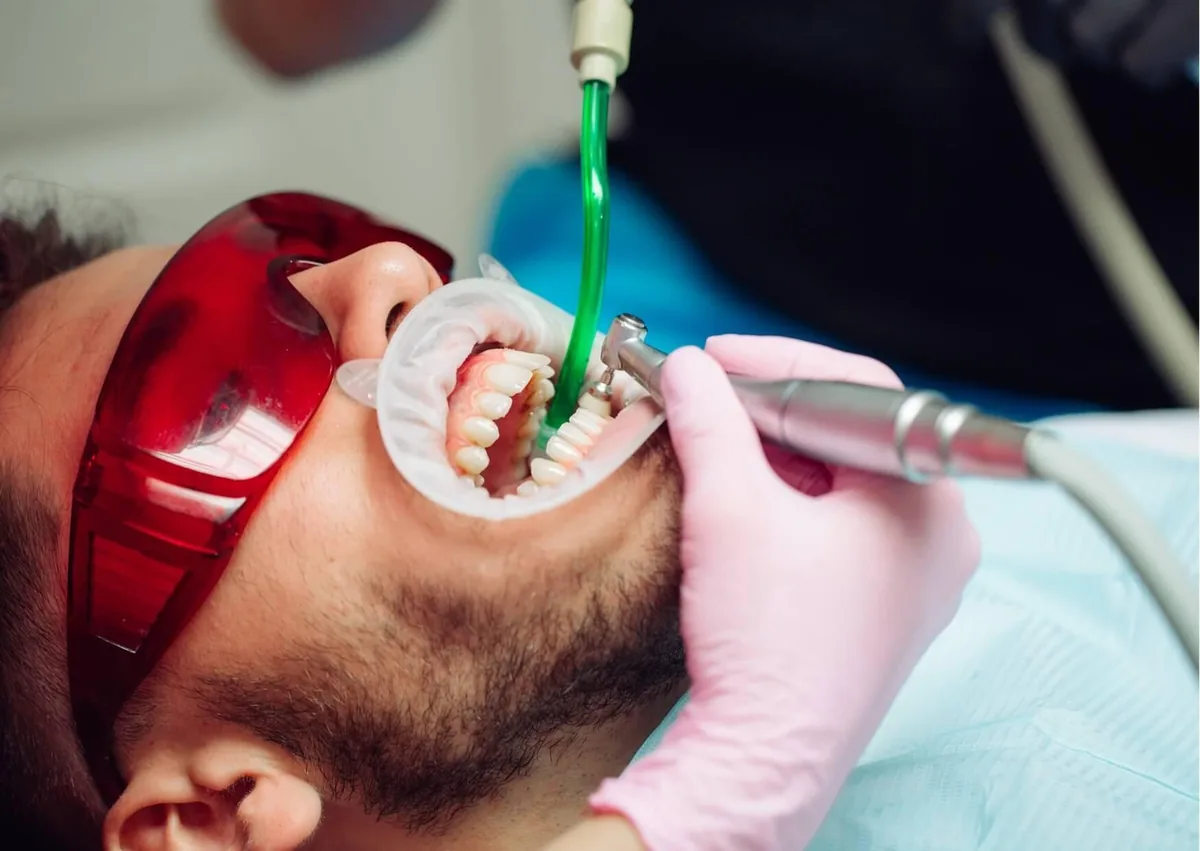
If tartar is limited to areas above the gumline and gum inflammation is mild, a routine teeth cleaning may be enough. The clinician removes hardened deposits, clears surface stains when appropriate, and may show better techniques for missed areas. If gingivitis is present, read how to fix gingivitis.
If plaque and tartar extend below the gums or there are signs of periodontitis, more involved periodontal care may be needed. This may include scaling and root planing, which removes deposits below the gumline and smooths affected root surfaces.
After deeper periodontal treatment, some patients benefit from ongoing periodontal maintenance visits. These visits help control inflammation and reduce the chance that disease will return.
Gums may feel tender or bleed briefly after a cleaning, especially if they were already inflamed. With consistent home care, gingivitis often improves, but bone loss from periodontitis usually cannot be reversed and often needs long-term management. If gum recession is a concern, learn how dentists fix receding gums.
Plaque control works best when daily home care is combined with regular professional evaluation. Over time, this can lower the risk of cavities, gingivitis, tartar buildup, and progression to more serious gum disease.
Arrange a dental visit if hard deposits do not brush away, your gums bleed repeatedly, bad breath persists, or you notice ongoing redness, swelling, recession, or sensitivity. If you notice recession, learn more about the causes of receding gums. Also seek care for loose teeth, pus near the gums, a changing bite, or pain when chewing.
Prompt evaluation is appropriate for worsening dental pain, facial or jaw swelling, fever, or difficulty opening the mouth. Trouble breathing or swallowing, rapidly spreading swelling, or swelling near the eye requires urgent medical attention.
Regular exams and personalized cleaning intervals can help keep tartar under control and catch gum disease early. If plaque continues to build up despite good home care, a dentist can adjust the cleaning plan and recommend tools that fit your mouth more effectively.
If tartar persists or you have recurrent bleeding, arrange a professional cleaning so hardened deposits and gum inflammation can be treated promptly. South Florida Sedation Dentistry offers gentle teeth cleaning in Greenacres, FL, and nearby Wellington and Royal Palm Beach; call (561) 941-7554 or schedule online today.
Soft plaque can usually be removed with careful brushing and daily cleaning between the teeth. Once it hardens into tartar, professional removal is needed.
Floss can remove plaque from tight spaces and along the sides of teeth where a toothbrush may not reach. In some mouths, interdental brushes or water flossers may work better for certain areas.
Bleeding often means plaque has inflamed the gums, though forceful cleaning can also cause injury. Gentle daily cleaning may help mild gingivitis, but persistent or heavy bleeding should be evaluated.
A water flosser may help remove debris and reduce plaque around teeth, braces, bridges, or implants. It cannot remove hardened tartar.
Plaque can begin to harden within a relatively short time, but the exact rate varies from person to person. Daily plaque removal is more useful than trying to track an exact timeline.
Have your friend, family member, or co-worker scan the code below or visit southfloridasedationdentistry.com on their phone to load our site. Most modern cell phones can scan QR codes using the phone’s camera.



 Trustindex verifies that the original source of the review is Google.
  Trustindex verifies that the original source of the review is Google.
  Trustindex verifies that the original source of the review is Google.
  Trustindex verifies that the original source of the review is Google.
  Trustindex verifies that the original source of the review is Google.
  Trustindex verifies that the original source of the review is Google.
  Trustindex verifies that the original source of the review is Google.
  Trustindex verifies that the original source of the review is Google.
  Trustindex verifies that the original source of the review is Google.