Most people should wait about 7 days before trying a soft burger, and longer if chewing still hurts or the extraction was difficult. A thick, chewy, crusty, or heavily topped burger often needs to wait 10 to 14 days, and your dentist’s instructions matter more than the calendar because healing rates differ.
Many wisdom teeth removals involve IV sedation dentistry, which can affect your recovery instructions for the first day.
If you're recovering from wisdom tooth removal and unsure when firmer foods are safe, oral surgery follow-up can show whether the extraction sites are stable enough for chewing. At South Florida Sedation Dentistry in Greenacres, FL, our team evaluates healing and gives practical guidance to help you eat comfortably without disrupting recovery.
After a wisdom tooth is removed, a blood clot forms in the socket. That clot protects the bone and nerves underneath while the gum begins to heal.
A burger usually requires wider jaw opening and more forceful chewing than soft foods. Too much pressure too early can irritate the site, restart bleeding, trap food debris, or dislodge the clot.
If the clot is lost, a dry socket can develop. This often causes significant pain a few days after the extraction, especially in lower wisdom tooth sites.
For the first 24 hours, stick with cool or lukewarm liquids and very soft foods. Avoid straws, and avoid hot foods while numbness is still present.
Over the next several days, most people can add foods like scrambled eggs, oatmeal, yogurt, cottage cheese, soft pasta, and tender fish. Chew away from the extraction area and stop if you notice pain, bleeding, or pressure.
At about day 7, a soft burger may be reasonable if swelling is going down, the sites are not bleeding, and your jaw opens comfortably. Cut it into small pieces, avoid hard toppings, and do not force a large bite.
Wait closer to 10 to 14 days if all four wisdom teeth were removed, the teeth were impacted, bone was removed, or jaw stiffness is still limiting chewing. Some people need even more time after a difficult lower extraction.
A soft bun and a thin, tender patty are easier to manage than toasted bread, a double burger, or a dense plant-based patty. The more chewing required, the more stress you place on healing tissues.
Skip toppings that are sharp, crunchy, seedy, or crumbly. That includes sesame seeds, bacon, crispy onions, chips, pickles, and raw onions.
Take small bites and chew slowly on the unaffected side if possible. After eating, follow your dentist’s cleaning instructions rather than rinsing forcefully or trying to pick food out of the socket.
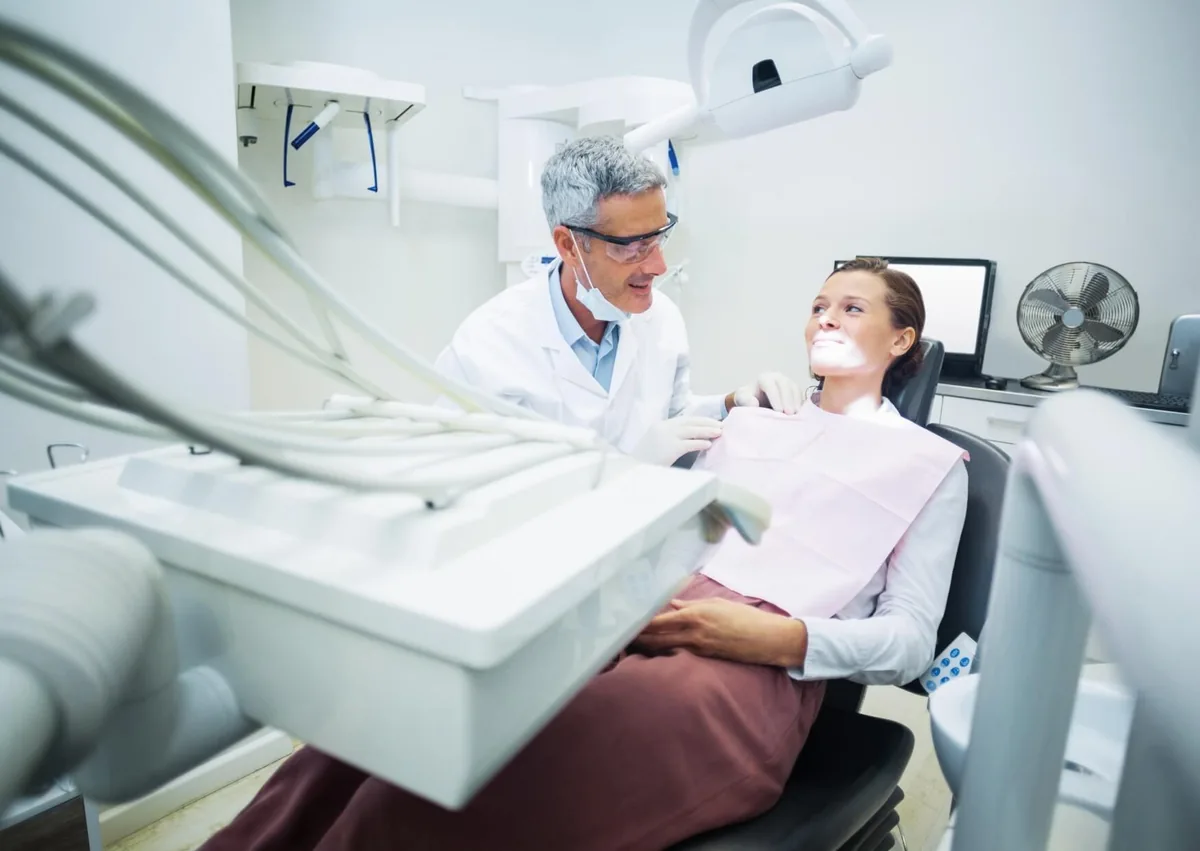
Your dentist or oral surgeon looks at more than the day on the calendar. They consider how difficult the extraction was, whether sutures were placed, how the gum tissue looks, and whether the clot appears stable.
Symptoms also matter. Mild swelling, tenderness, bruising, and limited jaw opening can be normal if they steadily improve.
Worsening pain, persistent bleeding, foul taste, fever, or increasing swelling may suggest infection or another complication that needs evaluation, including concerns similar to those discussed in this article about an infected tooth. If healing seems delayed or the extraction was complex, your clinician may recommend oral surgery for further evaluation.
People with diabetes, immune suppression, smoking exposure, or slower healing may receive more cautious instructions. If you have a follow-up visit, ask directly when regular chewing is safe.
If chewing a burger causes soreness, pressure, or light bleeding, stop and return to soft foods for another few days. That does not always mean a serious problem, but it does mean the area may not be ready for that level of chewing.
Use the aftercare instructions your dentist gave you for cleaning, pain control, and diet progression. Avoid smoking, vaping, and straws during early healing because they can interfere with clot stability.
Call your dentist or oral surgeon if pain becomes stronger after first improving, especially around days 2 through 5. Pain that spreads toward the ear, temple, or jaw can be a warning sign of dry socket.
Also seek advice if you notice a bad taste, bad odor, pus, fever, worsening swelling, or trouble opening your mouth that is not improving. While arranging care, you can review toothache relief for general comfort measures.
For severe symptoms such as uncontrolled bleeding, rapidly expanding swelling, or signs of spreading infection, seek emergency dentistry or immediate medical care. Get urgent medical help right away for difficulty breathing or swallowing, confusion, or another severe reaction.
Most patients return to a more normal diet within one to two weeks. Ongoing follow-up with general dentistry can also support long-term oral health after extractions.
If you have worsening pain, signs of dry socket, or uncertainty about eating, contact your dentist for prompt assessment and treatment to protect healing.
South Florida Sedation Dentistry focuses on oral surgery in Greenacres, FL and nearby Wellington and Royal Palm Beach; call (561) 941-7554 to schedule a same-day or next-day appointment.
Usually not. Day 3 is still early for a standard burger because the socket and blood clot are still vulnerable.
Possibly, if pain, swelling, bleeding, and jaw stiffness are clearly improving. Choose a soft burger, cut it into small pieces, and avoid crunchy or seedy toppings.
Do not probe the socket with your finger, a toothpick, or another object. Follow your dentist’s rinsing and cleaning instructions, and call if debris will not clear or symptoms worsen.
Dry socket often causes significant pain that starts or worsens a few days after extraction. The pain may radiate toward the ear or temple, and a dentist should evaluate it promptly.
Have your friend, family member, or co-worker scan the code below or visit southfloridasedationdentistry.com on their phone to load our site. Most modern cell phones can scan QR codes using the phone’s camera.



 Trustindex verifies that the original source of the review is Google.
  Trustindex verifies that the original source of the review is Google.
  Trustindex verifies that the original source of the review is Google.
  Trustindex verifies that the original source of the review is Google.
  Trustindex verifies that the original source of the review is Google.
  Trustindex verifies that the original source of the review is Google.
  Trustindex verifies that the original source of the review is Google.
  Trustindex verifies that the original source of the review is Google.
  Trustindex verifies that the original source of the review is Google.