There is no reliable countdown for how long a tooth infection takes to become fatal. Most tooth infections are treatable and do not become life-threatening, but an untreated infection can spread within days or progress over weeks or months, so it is safer to get prompt care than to wait for pain to worsen.
Call 911 or go to an emergency department now for trouble breathing or swallowing, rapidly increasing swelling of the face or neck, confusion, fainting, severe weakness, or swelling that affects an eye. These can be signs of an airway emergency, a deep infection, or sepsis symptoms.
If you have rapidly worsening facial swelling, severe pain, or signs of spreading infection, prompt emergency dentistry can help stabilize the problem and protect your airway. South Florida Sedation Dentistry in Greenacres offers calm, focused urgent dental care to assess risks and coordinate any needed treatment nearby.
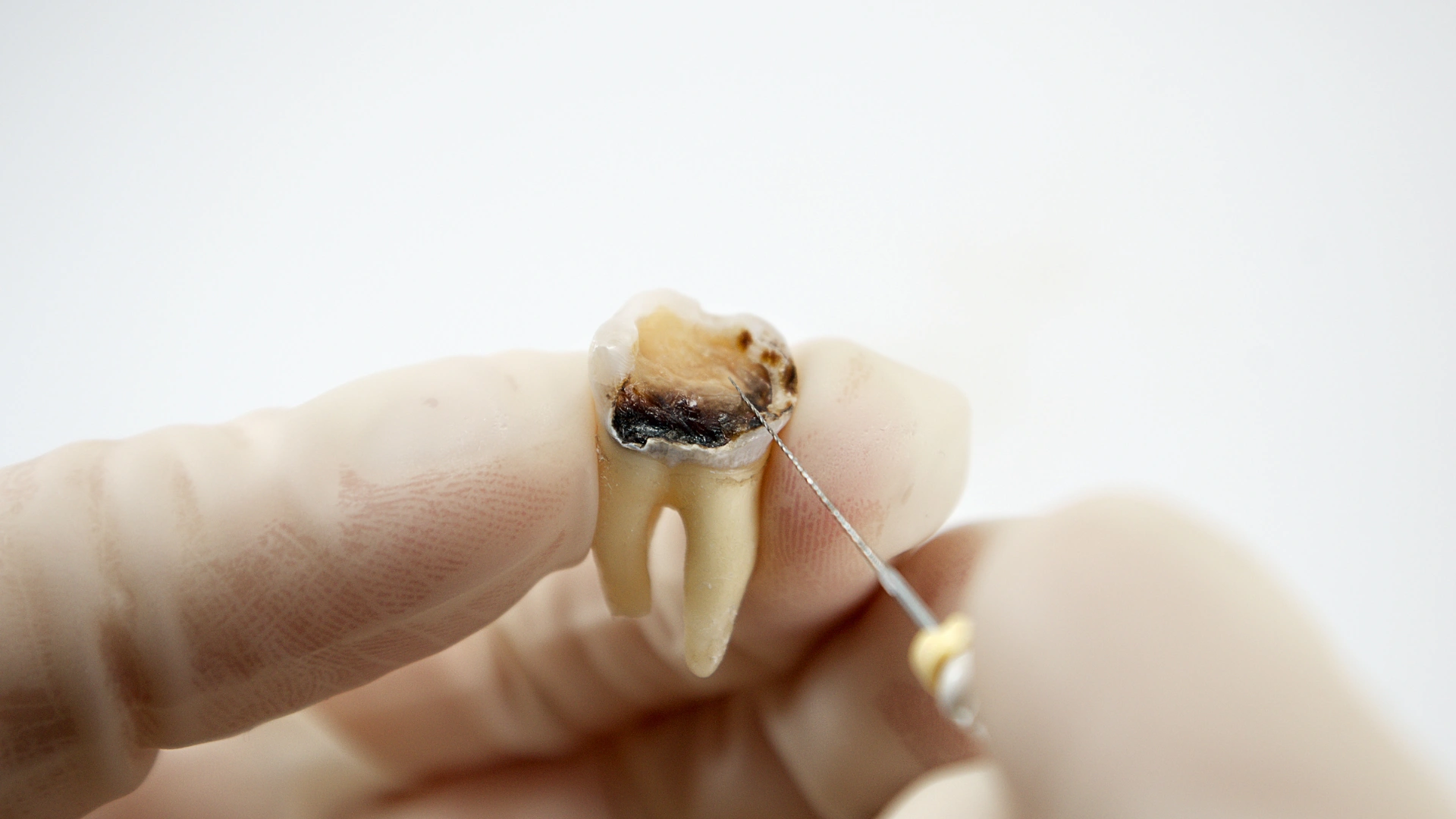
A tooth infection usually starts when decay, a crack, or trauma lets bacteria reach the pulp, which contains the tooth's nerves and blood vessels. The infection can then move through the root into the surrounding bone and form an abscess, a pocket of pus; see dental abscess self-care.
The timeline varies from person to person. Drainage, tooth location, immune health, and the type of bacteria all affect how fast the infection spreads.
In some cases, the infection stays localized for a time. In others, it can extend into the face, jaw, floor of the mouth, sinuses, or deeper tissues of the neck; clinical reviews describe this possible spread to face and neck.
Pain level does not reliably show how serious the infection is. A tooth may hurt less after the nerve dies or an abscess drains, even though the infection is still active.
|
Pattern |
What It May Mean |
Appropriate Response |
|---|---|---|
|
Local tooth pain or sensitivity |
Inflammation or infection may still be limited to the tooth |
Arrange a dental exam |
|
Gum bump, bad taste, or localized swelling |
An abscess may be draining |
Contact a dentist promptly, even if pain improves |
|
Increasing cheek or jaw swelling, fever, or difficulty opening the mouth |
Infection may be spreading |
Seek same-day emergency dentistry or medical care |
|
Breathing or swallowing difficulty, neck swelling, confusion, or collapse |
Possible airway compromise or sepsis |
Call 911 or go to an emergency department |
Common symptoms include throbbing tooth pain, pain with biting, lingering sensitivity to heat or cold, swollen gums, a pimple-like gum bump, what an infected tooth look like can vary, foul-tasting drainage, and swelling near the jaw; you can also review toothache relief. Fever, tender neck glands, fatigue, or worsening pain can suggest the infection is moving beyond the tooth.
Same-day evaluation is important if you have fever with dental swelling, rapidly worsening symptoms, facial swelling, difficulty opening the mouth, or swelling that reaches the jaw, neck, or eye area. People with weakened immune systems, poorly controlled diabetes, or medicines that suppress immunity should seek advice promptly because infections may progress differently.
A hospital can treat immediate threats such as airway narrowing or systemic illness. However, definitive dental treatment is usually still needed because an emergency department often cannot repair or remove the infected tooth unless dental or surgical services are available.
Yes, but this is uncommon when treatment is available promptly. The main life-threatening risks are airway compromise, spread into deep facial or neck spaces, and systemic infection.
Swelling near the lower jaw or floor of the mouth can be especially concerning because it may push tissues upward and backward. That can make swallowing painful and, in severe cases, narrow the airway.
A spreading infection can also involve the jaw, surrounding soft tissues, or bloodstream. When the body develops a severe inflammatory response to infection, sepsis can occur, which is why confusion, collapse, severe weakness, or fast-worsening swelling should be treated as emergencies.

The dentist will ask when the symptoms started and whether you have swelling, drainage, fever, trouble swallowing, or limited jaw opening. The exam may include checking for decay or cracks, tapping the tooth, testing temperature response, and examining the gums, face, jaw, lymph nodes, and mouth opening.
Dental X-rays can help show deep decay, bone changes around a root, or another source of pain. If the infection appears to involve deeper facial or neck spaces, a medical team may order blood tests or CT imaging and involve oral surgery specialists or other specialists.
Not every toothache is an abscess. Gum disease, a cracked tooth, sinus inflammation, jaw-joint disorders, and nerve pain can cause similar symptoms, which is why an exam matters.
Treatment works by removing the source of infection, not just easing pain. Depending on whether the tooth can be saved, care may include root canal therapy, drainage when appropriate, or extraction; see signs you need root canal.
Antibiotics may be used when there are signs of spreading infection, systemic illness, or specific medical risk factors. They do not remove infected tissue inside the tooth, so symptoms can return if antibiotics are used without definitive dental care; ADA antibiotic guidelines support selective use rather than using them as a substitute for treatment.
Take prescribed medicine exactly as directed. Do not use leftover or borrowed antibiotics.
|
Treatment |
Main Purpose |
Typical Expectation |
|---|---|---|
|
root canal therapy |
Removes infected pulp and preserves a restorable tooth |
Tenderness often improves over several days; a final restoration may be needed |
|
Extraction |
Removes a tooth that cannot predictably be saved |
The site heals over time; tooth-replacement options may be discussed later |
|
Drainage |
Releases pus from an accessible abscess |
Pressure may improve, but the infected tooth still requires treatment |
|
Hospital-based care |
Protects the airway and treats deep or systemic infection |
May include imaging, intravenous treatment, drainage, and specialist care |
Improvement often starts after the infection source is controlled. Swelling and tenderness may still take several days to settle.
Follow-up is important. Persistent swelling, returning pain, fever, or new symptoms can mean more treatment is needed.
Most people recover well when a tooth infection is treated before it spreads. Delaying care can allow more bone loss, lower the chance of saving the tooth, and increase the need for more complex treatment.
Good oral hygiene and routine dental visits can lower future risk, but they do not cure an active infection. A tooth that suddenly stops hurting still needs evaluation if it has not had definitive treatment.
If tooth pain, a gum bump, or localized swelling persists or worsens, contact a dentist promptly instead of trying to estimate a safe waiting period. Use same-day urgent care for spreading swelling or fever, and use emergency services for breathing trouble, swallowing trouble, confusion, collapse, or rapidly worsening face or neck swelling.
For worsening pain, spreading swelling, or trouble breathing, get emergency dentistry right away to protect your airway. South Florida Sedation Dentistry in Greenacres provides emergency dentistry for patients from Palm Springs and Royal Palm Beach; call (561) 941-7554 to arrange prompt care.
Yes, but it is uncommon when care is available promptly. A tooth infection can become life-threatening if it blocks the airway, spreads into deep tissues, or causes sepsis.
Yes. Pain may decrease if the tooth's nerve dies or an abscess starts draining, but the infection can still remain and continue to damage tissue.
There is no reliable timeline for every person, and some infections worsen quickly. Increasing facial or neck swelling needs same-day assessment, while breathing or swallowing difficulty needs emergency care.
Symptoms may ease for a while if the abscess drains, but the source usually remains. Definitive dental treatment is generally needed to prevent recurrence or spread.
Usually not on their own. Antibiotics may help control some spreading infections, but root canal treatment, extraction, or another dental procedure is often needed to eliminate the source.
Have your friend, family member, or co-worker scan the code below or visit southfloridasedationdentistry.com on their phone to load our site. Most modern cell phones can scan QR codes using the phone’s camera.