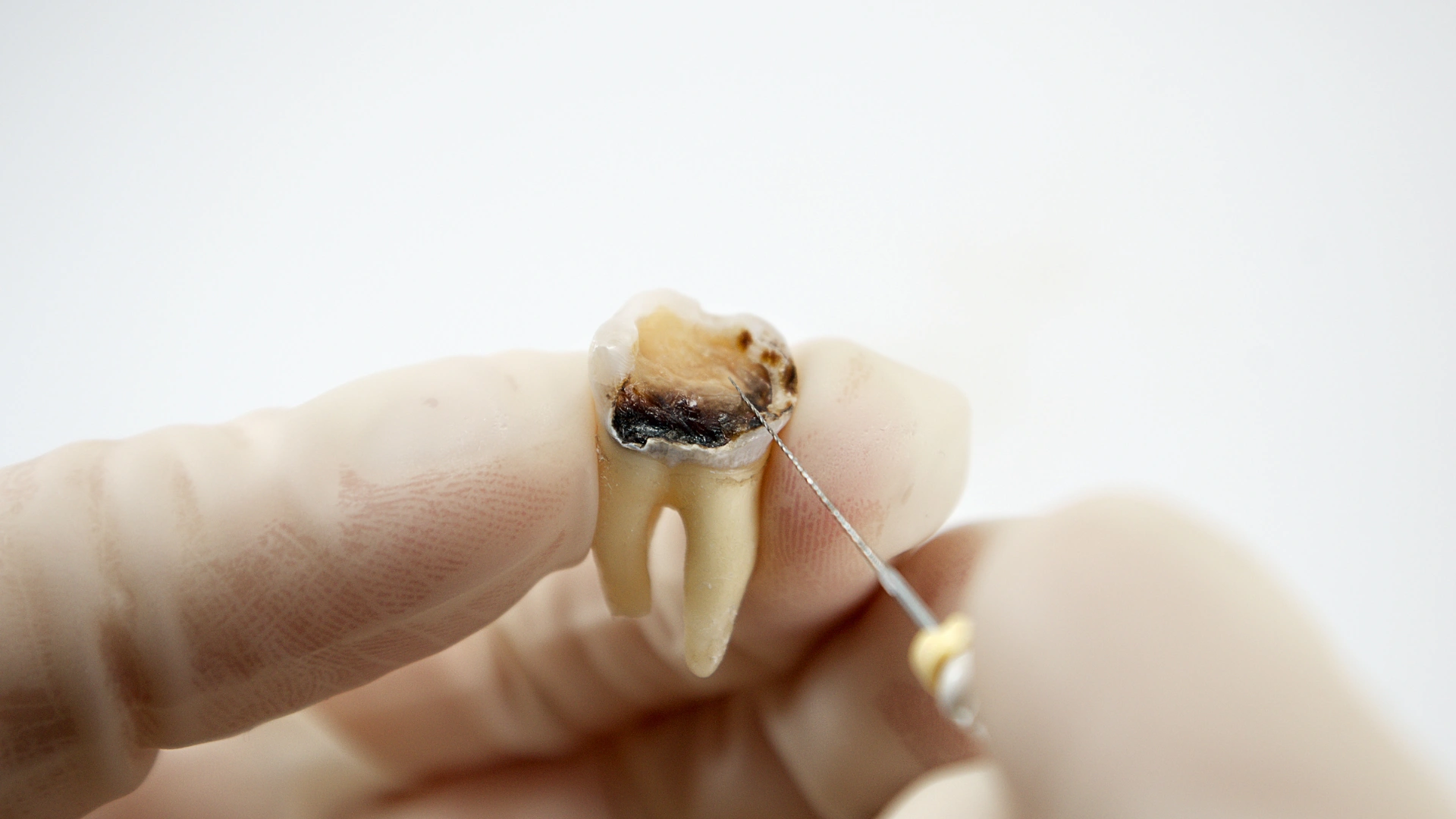
Wisdom tooth pain usually happens when a tooth is erupting through the gums, partly trapped under gum tissue, or blocked because there is not enough room to come in normally. Mild soreness can be temporary, but pain that is persistent, worsening, or severe should be checked by a dentist because infection, decay, or damage to the nearby molar may need treatment.
If persistent or severe wisdom tooth pain is disrupting eating or sleep, surgical removal can often provide definitive relief. At South Florida Sedation Dentistry in Greenacres, FL, our oral surgery team focuses on comfortable, patient-centered care to reduce discomfort and recovery time.
Wisdom teeth are the last permanent molars to appear, usually in the late teens or early adulthood. Pain often starts behind the last visible molar and may spread toward the ear, jaw, or throat on the same side.
Common symptoms include gum tenderness, pressure, swelling, a bad taste, and pain with chewing or opening the mouth. When a flap of gum partly covers the tooth, food and plaque can collect underneath and cause symptoms that come and go.
Wisdom tooth pain can feel similar to a cavity, gum infection, jaw-muscle strain, or pain from another molar. A dental exam is the most reliable way to identify the true source.
A wisdom tooth may become impacted, which means it is partly or completely blocked by gum, bone, or another tooth. An impacted wisdom tooth may grow straight, sideways, or at an angle, and it can press against the second molar.
A partly erupted wisdom tooth creates a hard-to-clean space near the back of the mouth. Bacteria trapped under the gum can lead to pericoronitis, which is inflammation or infection of the tissue around the tooth.
Because this area sits close to the jaw muscles and throat tissues, inflammation can make the jaw feel stiff and swallowing uncomfortable. If swelling becomes significant, it can affect nearby tissues around the throat and airway, which is why trouble breathing or swallowing needs immediate care.
An untreated or spreading infection can also form an abscess. For related guidance on early self-care, see our dental abscess self-care article.
The dentist will ask when the pain began, whether it is constant or triggered by chewing, and whether you have swelling, fever, drainage, or a bad taste. The exam usually includes the wisdom tooth area, nearby molars, gums, bite, and jaw movement.
Dental X-rays help show the tooth's position, the amount of available space, root shape, and its relationship to the second molar and surrounding bone. They can also reveal decay or bone changes that are not visible during the clinical exam.
These findings help separate normal eruption soreness from infection, decay, impaction, or pressure-related damage. In some cases, a dental exam is the right first step before deciding between observation, local care, or extraction.
Until you are seen, gentle warm saltwater rinses and careful cleaning behind the last molar may reduce irritation. For broader home-care strategies, see toothache relief.
A cold pack on the outside of the cheek for short periods may help with swelling, and soft foods can reduce pressure on the area. Over-the-counter pain medicine may also help if used according to the label and your usual medical guidance.
People who are pregnant, take blood thinners, have kidney or liver disease, have ulcers, or have medication allergies should ask a clinician or pharmacist what is safe. Antibiotics are not needed for every painful wisdom tooth and do not fix crowding, trapped debris, or an unhealthy tooth.
Treatment depends on the cause and on whether the tooth can stay healthy and be cleaned well over time.
|
Approach |
When It May Be Considered |
What to Expect |
|---|---|---|
|
Monitoring |
The tooth is healthy, stable, and cleanable |
Periodic exams and X-rays |
|
Professional cleaning or irrigation |
Debris and inflammation surround a partly erupted tooth |
Short-term symptom relief, with recurrence still possible |
|
Restorative care |
Accessible decay affects the wisdom tooth or adjacent molar |
Treatment depends on tooth position and the extent of damage |
|
wisdom tooth removal |
Pain, recurrent inflammation, infection, decay, or damage is present |
Local anesthesia or sedation options (learn how sedation dentistry works), followed by several days of healing |
After removal, soreness, swelling, mild bleeding, and temporary jaw stiffness are common. Symptoms often peak during the first few days and then begin to improve, although recovery varies based on the tooth position, the procedure, and overall health.
Following the dentist's instructions helps protect the blood clot that forms in the socket. Smoking, vaping, forceful rinsing, and drinking through a straw can interfere with healing and raise the risk of dry socket.
Contact the treating office if pain becomes much worse after first improving, if bleeding does not settle, or if swelling keeps increasing. Ongoing numbness beyond the expected period should also be reported.

Schedule a dental visit soon if pain lasts more than a few days, keeps returning, interferes with eating or sleep, or comes with swelling, drainage, a bad taste, or trouble opening the mouth. Early treatment may help prevent damage to the tooth in front of the wisdom tooth.
Seek emergency dentistry or medical care for fever with facial swelling, rapidly increasing swelling, swelling beneath the jaw, or severe illness. Trouble breathing, trouble swallowing saliva, drooling, confusion, or swelling spreading toward the eye or neck needs emergency care, including calling 911 if breathing is affected.
Even if the discomfort settles, repeated symptoms usually mean the area still needs evaluation. A dentist can explain whether observation, local treatment, or removal is the safest long-term option.
If you have worsening pain, swelling, or signs of infection, prompt evaluation can often prevent complications and clarify whether extraction or conservative care is best. South Florida Sedation Dentistry offers oral surgery-focused care in Greenacres and nearby Palm Springs and Palm Beach; call (561) 941-7554 to speak with our team or book an appointment.
Mild eruption soreness may improve as the gum adapts, but pain caused by trapped bacteria, decay, impaction, or damage often returns or worsens. Feeling better does not confirm that the underlying problem is gone.
That depends on the cause. Brief tenderness may happen during eruption, while inflammation or infection can continue until the area is cleaned or treated, so pain lasting more than a few days should be evaluated.
No. A dentist may monitor a healthy tooth that has enough room, works normally, and can be cleaned well, while recurrent infection, decay, or damage may make removal the more predictable choice.
Yes. Pain from the back of the mouth can be felt in the jaw or near the ear because nearby structures share nerve pathways, but ear conditions and jaw-joint problems can cause similar symptoms.
Pain alone is not always an emergency, but rapidly increasing swelling, fever with facial swelling, difficulty swallowing, or any breathing problem requires urgent evaluation. Severe, worsening, or unclear symptoms also deserve prompt professional care.
Have your friend, family member, or co-worker scan the code below or visit southfloridasedationdentistry.com on their phone to load our site. Most modern cell phones can scan QR codes using the phone’s camera.